August 12, 2025

Extracorporeal Shock Wave Therapy (ESWT) is a non-invasive treatment that uses acoustic waves to promote healing, reduce pain, and stimulate tissue regeneration. Though the name sounds technical, it is becoming a popular method for treating a variety of musculoskeletal conditions, especially those that involve chronic pain and inflammation. In this blog, we’ll explore what ESWT is, how it works, and the conditions it treats.

What is Extracorporeal Shock Wave Therapy?

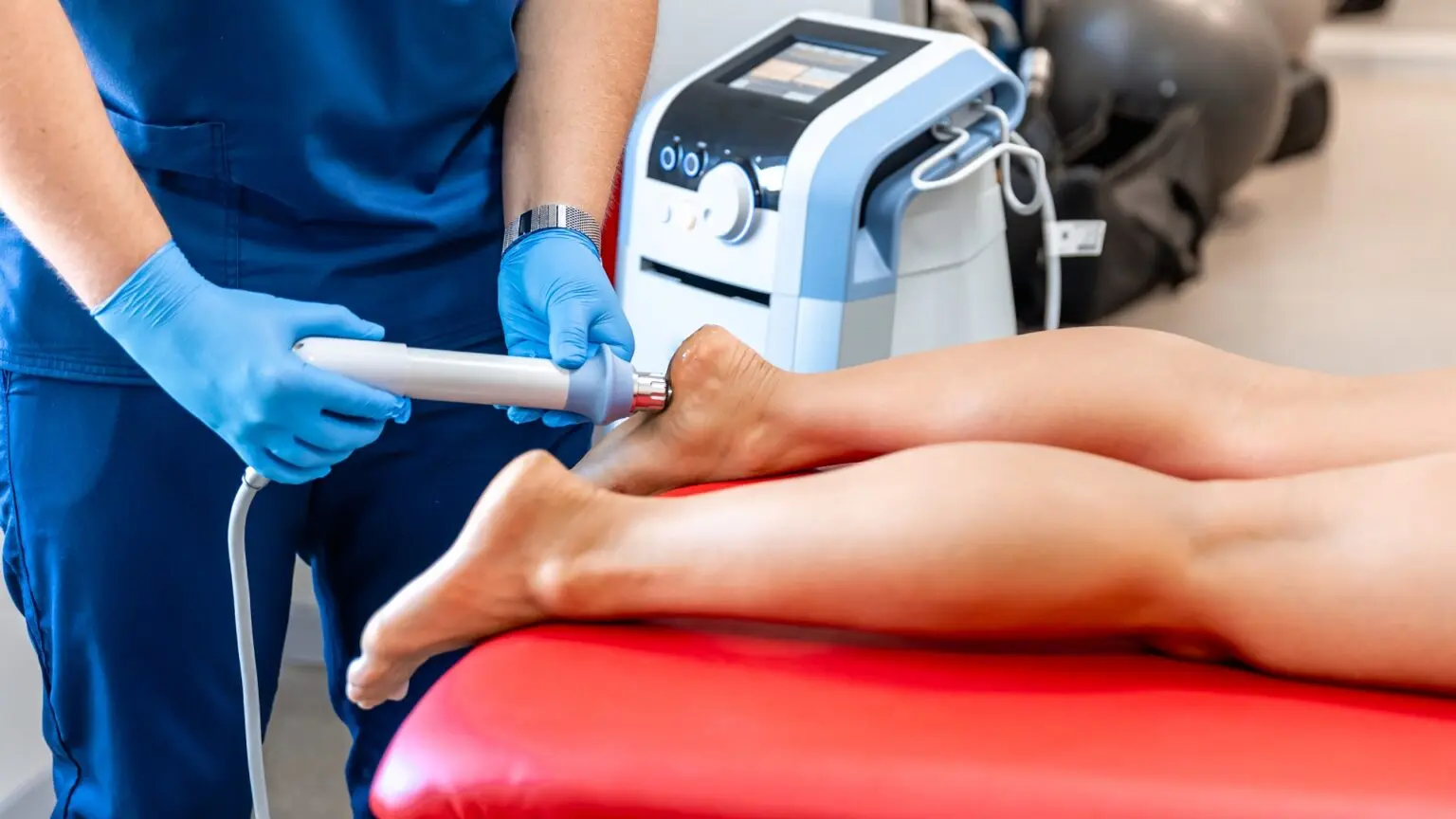
ESWT is a therapy that applies acoustic waves (sound waves with a high intensity) to targeted areas of the body. These sound waves are delivered through the skin using a handheld device that transmits them to the area in need of treatment. The shock waves are usually delivered in pulses, which stimulate the body’s natural healing processes.

The term “extracorporeal” means “outside the body,” which refers to the fact that the treatment doesn’t require any invasive procedures like injections or surgery. Instead, it works by using mechanical energy (shock waves) to promote circulation, accelerate tissue repair, and decrease pain.

How Does Extracorporeal Shock Wave Therapy Work?

The mechanism behind ESWT involves the use of high-energy shock waves that are directed at the affected area. These shock waves penetrate deep into tissues, stimulating cellular activities that promote healing. Some of the ways ESWT works include:

  • Increased Blood Circulation: The shock waves improve blood flow to the injured area. Enhanced circulation delivers more oxygen and nutrients to the tissues, aiding in the repair process.
  • Collagen Production: Collagen is an essential protein for tissue repair and regeneration. ESWT helps in the stimulation of collagen synthesis, which is crucial for healing damaged tendons, ligaments, and muscles.
  • Reduction of Pain: The shock waves interact with nerve endings, desensitizing the area and reducing pain. This makes ESWT effective in treating chronic pain conditions.
  • Cellular Regeneration: The mechanical pressure from the shock waves triggers the production of growth factors that support tissue regeneration and repair.


Benefits of Extracorporeal Shock Wave Therapy

  • Non-invasive: No incisions or injections are needed, making it a less risky alternative to surgery.
  • Reduced Pain: Patients often experience relief from chronic pain within a few sessions.
  • Improved Function: The therapy can help restore mobility and improve quality of life by healing damaged tissues.
  • Quick Recovery: Unlike surgery or other invasive treatments, the recovery time with ESWT is usually quick, with minimal downtime.
  • Long-Term Results: Many patients experience long-lasting relief after completing a course of treatment, which can sometimes be more effective than traditional pain management methods.


Conditions Treated by Extracorporeal Shock Wave Therapy

ESWT has been shown to be effective in treating a variety of musculoskeletal conditions, especially those related to tendon and ligament injuries. Some of the most common conditions treated with ESWT include:

  • Plantar Fasciitis: One of the most common causes of heel pain, this condition involves inflammation of the tissue at the bottom of the foot. ESWT can reduce inflammation and relieve pain, helping individuals return to their normal activities.
  • Tennis Elbow: Also known as lateral epicondylitis, this condition involves inflammation of the tendons that attach to the elbow. ESWT can stimulate the healing of these tendons, reducing pain and improving function.
  • Rotator Cuff Injuries: The rotator cuff muscles are crucial for shoulder movement. ESWT can help treat injuries like tendonitis or tears in this area.
  • Achilles Tendonitis: A painful condition affecting the Achilles tendon at the back of the leg, ESWT can accelerate healing by improving circulation and stimulating tissue repair.
  • Calcific Shoulder Tendinopathy: This condition occurs when calcium deposits form in the tendons of the shoulder. ESWT can break down these calcifications and promote healing of the tendon.
  • Chronic Muscle Pain: ESWT can also be used for muscle pain that does not respond to conventional treatments, like back pain or tightness in the neck and shoulders.


What to Expect During an ESWT Session

Before beginning ESWT, your healthcare provider will assess your condition and determine if this therapy is right for you. An ESWT session typically lasts between 15 to 20 minutes, depending on the area being treated. Here’s what you can expect:

  • Preparation: The treatment area will be exposed, and a gel may be applied to improve the transmission of shock waves.
  • Shock Wave Application: The handheld device will be placed against your skin, and the shock waves will be delivered in pulses. You may feel a mild discomfort, similar to a tapping sensation, but the procedure is generally well-tolerated.
  • Post-Treatment: After the session, you may experience slight soreness, which is normal. Most patients can return to normal activities immediately after treatment, though some might be advised to avoid strenuous activities for a short period.


Side Effects and Considerations

ESWT is generally safe, but like any medical treatment, it can have some side effects. These are usually mild and temporary, including:

  • Mild Pain or Discomfort: Some patients may feel soreness at the treatment site, which should subside in a day or two.
  • Bruising or Swelling: Mild bruising and swelling in the treated area can occur but generally resolves quickly.


It’s important to consult with your doctor to ensure that you are a suitable candidate for ESWT, especially if you are pregnant, have a pacemaker, or have certain medical conditions like blood clotting disorders.

Conclusion

Extracorporeal Shock Wave Therapy is an effective, non-invasive treatment option for individuals suffering from chronic musculoskeletal pain. By promoting tissue healing, reducing inflammation, and enhancing circulation, ESWT offers significant benefits to those who have not found relief from traditional therapies. If you’re dealing with persistent pain or a tendon injury, ESWT may be the solution you’ve been looking for.

As always, be sure to consult with your healthcare provider to determine whether Extracorporeal Shock Wave Therapy is appropriate for your specific condition. With the right treatment plan, you can get back to doing the things you love, pain-free!