I used to think of massage as a once-in-a-while treat — something you booked before a wedding or after a rough flight. That changed the year I was juggling a demanding job, a move across the city, and a nagging pain between my shoulder blades that wouldn’t go away no matter how many times I stretched or adjusted my desk chair.
A friend finally convinced me to try a weekly massage instead of just popping ibuprofen. Within the first few sessions, I noticed something I didn’t expect: it wasn’t just my shoulders that felt looser. My sleep improved, my mind felt less “wired,” and I stopped snapping at small things by Friday afternoon. That’s when I started paying attention to the research behind why this was happening, not just the way it felt in the moment.
Why Stress Shows Up as Physical Pain
When you’re under sustained stress, your body stays in a low-grade “alert” state. Muscles — especially in the neck, shoulders, jaw, and lower back — stay slightly contracted even when you’re not doing anything physically demanding. Over weeks or months, that constant low-level tension turns into knots, stiffness, tension headaches, and sometimes chronic pain that no longer has an obvious physical cause.
This is part of why so many people search for pain relief and end up finding that the root issue is stress, not an injury.
Massage therapy works on both fronts at once: it physically releases tight tissue, and it also triggers the body’s relaxation response, lowering cortisol and giving the nervous system a chance to downshift out of “fight or flight” mode.
What My Experience Actually Looked Like
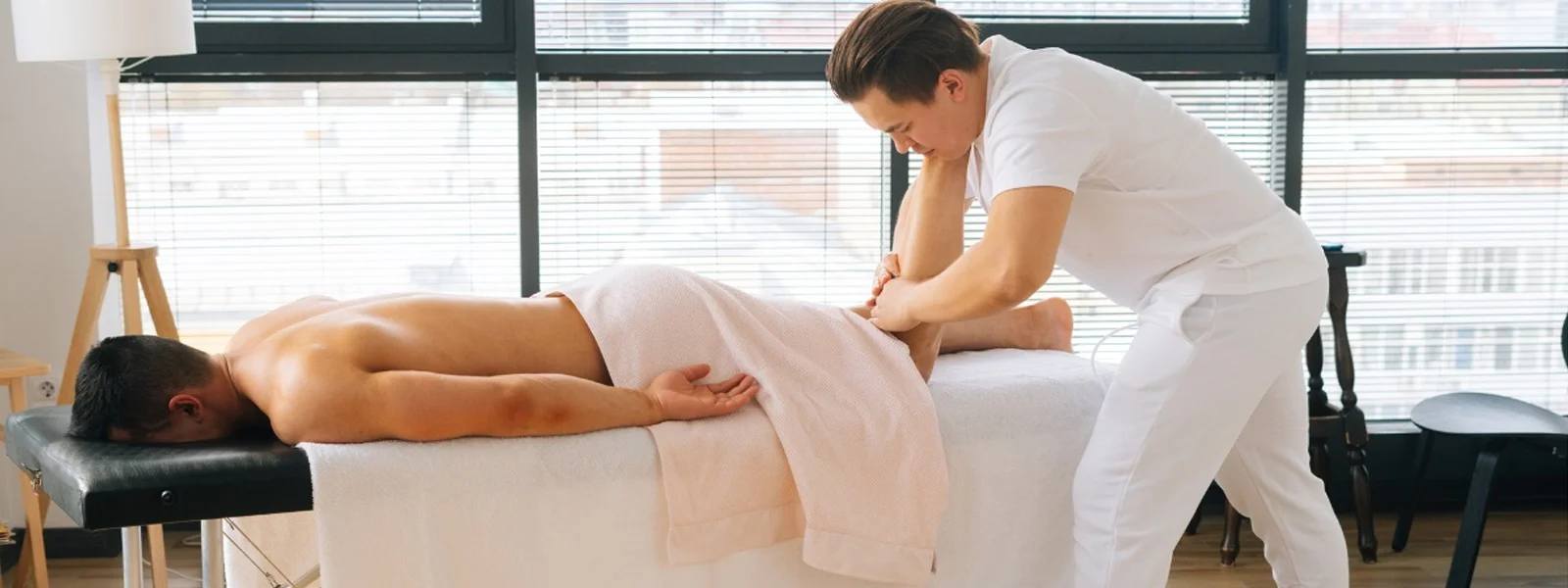
For me, the biggest shift wasn’t a single dramatic session — it was the cumulative effect. A therapist working on my upper back and neck would find spots I didn’t even realize were tender until pressure was applied. Afterward, there was always a day or two of feeling noticeably calmer, like my shoulders had dropped an inch. Over a couple of months of consistent sessions, the tension headaches I used to get almost weekly became rare.
I also noticed the type of massage mattered. A very light, relaxation-focused session felt nice but didn’t touch the deeper tension. A firmer, targeted session aimed at the muscles that were actually holding stress made the bigger difference for me — though everyone’s tolerance and needs are different, which is why talking with a therapist about what you’re feeling matters more than just picking a style off a menu.
Getting the Most Out of a Session
A few things that made a real difference for me:
- Being specific with the therapist. Instead of just saying “my back hurts,” describing when it hurts, what makes it worse, and where stress tends to settle in my body helped them target the right areas.
- Consistency over intensity. A shorter session every couple of weeks did more for me long-term than one occasional deep-tissue marathon.
- Pairing it with other habits. Hydration, some light stretching, and better sleep made the effects of each session last longer.
None of this replaces medical care for a real injury or diagnosed condition — but for stress-driven tension, it was one of the most noticeable, sustainable changes I made.
FAQs
1. Can massage help with stress and anxiety?
Yes. Massage lowers muscle tension and triggers the body’s relaxation response, which can ease the physical side of stress and anxiety. Many people notice calmer breathing and better sleep after regular sessions. It works best alongside good sleep, movement, and professional support when anxiety is more persistent.
2. What type of therapy or massage could help with muscle tension caused by prolonged stress?
Deep tissue massage and trigger point therapy target the deeper muscle layers where stress-related tightness builds up, especially in the neck, shoulders, and lower back. Swedish massage helps too, through lighter strokes that boost circulation and relaxation. Many people benefit from combining both approaches.
3. How often should I get a massage to see real results for stress-related pain?
Results vary, but a consistent schedule — around once every one to two weeks for a month or two — tends to produce more lasting relief than occasional sessions. Once tension eases, spacing sessions further apart for maintenance is usually enough to keep it from returning.
4. Is it normal to feel sore after a massage meant to relieve tension?
Mild soreness for a day or so is common, especially after deeper work on tight muscles, similar to post-workout soreness. It typically fades within 24 to 48 hours. Sharp or ongoing pain isn’t normal, so mention it to your therapist so they can adjust pressure next time.
5. Can massage therapy replace medical treatment for chronic pain?
No. Massage helps manage stress-related tension and some chronic pain, but it isn’t a substitute for medical diagnosis or treatment. If pain is severe, persistent, or tied to an injury, see a doctor or physical therapist to determine whether massage should be combined with other care.