


Get Free Consultation
8:30AM - 6:30PM
Get Free Consultation
8:30AM - 6:30PM
Physiotherapy is a healthcare discipline focused on restoring physical function affected by injury, pain, or movement limitations. Physiotherapists assess how the body moves and identify factors contributing to discomfort or reduced performance.
Treatment may involve hands-on techniques, guided exercise programs, education, and clinically proven methods to support recovery and prevent future issues.
Rather than focusing only on relieving pain, physiotherapy targets the underlying cause of dysfunction. Each treatment plan is personalized, taking into account an individual’s daily activities, physical condition, and long-term goals.

Abbotsford is an active and growing community where people balance physically demanding work, recreational sports, and prolonged desk jobs.
These daily demands can place ongoing stress on the body, often leading to stiffness, discomfort, or injury over time.
Physiotherapy supports the Abbotsford community by helping individuals:
Access to professional physiotherapy care helps people remain active, independent, and fully engaged in their daily routines.
01
Musculoskeletal Physiotherapy:
Focuses on treating pain and injuries affecting muscles, joints, ligaments, and the spine, including back pain, neck pain, and sports injuries.
02
Orthopedic Physiotherapy:
Supports recovery from bone, joint, and soft tissue conditions, including post-surgical rehabilitation and injury management.
03
Sports Physiotherapy:
Designed for athletes and active individuals to prevent injuries, enhance performance, and support safe return to sport.
04
Neurological Physiotherapy:
Helps improve movement, balance, and coordination for individuals with neurological conditions or mobility challenges.
05
Pediatric Physiotherapy:
Provides movement and developmental support for infants, children, and adolescents.
06
Geriatric Physiotherapy:
Focuses on improving mobility, balance, strength, and fall prevention for older adults.
07
Post-Surgical Rehabilitation Physiotherapy:
Assists in restoring movement, strength, and function following surgical procedures.
08
Preventative and Wellness Physiotherapy:
Aims to reduce injury risk, correct movement patterns, and support long-term physical health.
Physiotherapy Abbotsford boasts a state-of-the-art facility equipped with advanced equipment and cutting-edge technology. This enables their team of professionals to deliver exceptional care and achieve optimal outcomes for patients. Clinic’s commitment to latest advancements guarantees patients receive effective physiotherapy treatments.
Detailed assessment of symptoms, medical history, and movement patterns.
Personalized plan aligned with recovery and prevention goals.
Treatment evolves as recovery progresses, helping prevent future issues and encouraging independence.
Physiotherapy offers lasting benefits beyond short-term pain relief, including:
For many individuals, physiotherapy becomes an important part of maintaining physical well-being over time.
Physiotherapy is not only for those experiencing pain or injury. Preventative care helps identify movement limitations, muscle imbalances, and posture concerns before they lead to serious problems.
Ongoing physiotherapy support can:
Choosing the right physiotherapy clinic in Abbotsford means looking for personalized care, patient education, and evidence-based treatment. A professional approach ensures therapy is effective, safe, and sustainable.
Townline Physiotherapy is dedicated to delivering patient-focused care by understanding individual needs and supporting recovery with clarity, respect, and compassion.
Physiotherapy is an investment in your future health. By improving how your body moves and functions, it helps you remain active, independent, and engaged in the activities you enjoy most.
Whether you are recovering from an injury, managing pain, or working to improve overall mobility, physiotherapy in Abbotsford offers a trusted path toward better movement and improved quality of life.
If you are ready to improve your movement and support your long-term physical health, professional physiotherapy care can make a meaningful difference. Contact Townline Physiotherapy today to begin your personalized physiotherapy journey with confidence
01
The main types are orthopedic, neurological, and cardiopulmonary physiotherapy, targeting muscles, nerves, and heart/lung function.
02
Physiotherapy involves assessment, exercises, manual therapy, and education to reduce pain, improve mobility, strength, and overall function.
03
Red flags include severe pain, numbness, weakness, unexplained weight loss, fever, or loss of bladder/bowel control—these need urgent medical review.
04
Most patients attend 2–3 times per week, but frequency depends on condition severity and treatment goals.
05
A typical session lasts 30–60 minutes, depending on assessment, exercises, and treatment plan.
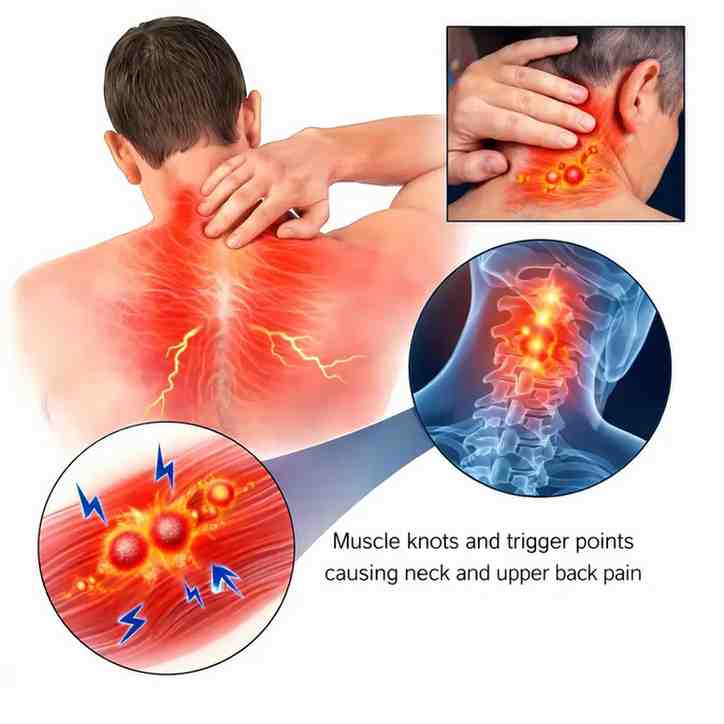
What is Dry Needling Therapy? Dry Needling Therapy is an advanced physiotherapy technique used to relieve muscle pain and improve
Read More
Focused therapy to enhance facial muscle strength and support nerve recovery.
Read More
Guidance and support to improve daily living and work-related functions for a better quality of life.
Read More
You don’t have to face depression alone — our compassionate therapists are here to help you find hope and feel like yourself again.
Read More
Our Best Cupping Therapy Specialists Near Abbotsford, BC Our best cupping therapy sessions in Abbotsford, BC will help you relax
Read More
Advanced laser technology that promotes tissue healing and reduces inflammation effectively.
Read More
Tired of living with back pain or stiff joints? Our experienced chiropractor gets to the root of your discomfort so you can move freely again.
Read More
Targeted recovery programs designed for athletes to regain strength, mobility, and performance.
Read More
Modern life can place enormous stress on the body—whether from long work hours, gym training,...

Knee pain during squats, stair climbing, lunges, or getting up from a chair is a...

Dizziness can feel confusing and unsettling. Many people use the word “vertigo” to describe any...