Pregnancy is one of the most beautiful and life-changing experiences a woman goes through. But along with the joy, it also brings big changes to your body — especially in the area below your belly. One of the most important things you can do during pregnancy is to take care of your pelvic floor muscles.
Most women have heard the word “pelvic floor” but do not fully understand what it means or why it matters. This guide will explain everything in simple words — what the pelvic floor is, why it needs exercise during pregnancy, how to do these exercises correctly, and what benefits you can expect.
Whether you are in your first trimester, second trimester, or close to your due date, this guide has something useful for you.
What Is the Pelvic Floor?
The
pelvic floor is a group of muscles, tendons, and tissues that sit at the bottom of your pelvis — like a hammock or a trampoline. These muscles stretch from your tailbone (at the back) to your pubic bone (at the front).
Your pelvic floor muscles support several important organs, including:
- Your bladder (which holds urine)
- Your uterus (where your baby grows)
- Your bowel (which helps with digestion)
- Your rectum (the lower part of the large intestine)
These muscles also play a key role in sexual function, bladder control, and bowel control. During pregnancy, your growing baby puts a lot of extra weight on these muscles. That is why keeping them strong is so important.
Why Do Pelvic Floor Muscles Weaken During Pregnancy?
During pregnancy, your pelvic floor muscles face extra stress from several directions:
- The weight of your growing baby, placenta, and amniotic fluid all press down on these muscles.
- Pregnancy hormones — especially a hormone called relaxin — soften and loosen the ligaments and muscles in your body to prepare for childbirth. This can make pelvic muscles feel weaker or less stable.
- Constipation (common during pregnancy) causes repeated straining, which puts pressure on the pelvic floor.
- Reduced physical activity during late pregnancy can also lead to muscle weakness.
When these muscles become weak, you may notice signs like leaking a little urine when you cough, sneeze, or laugh. You may also feel heaviness or pressure in the pelvic area. These are signs that your pelvic floor needs more attention and care.
Why Pelvic Floor Exercises Matter During Pregnancy
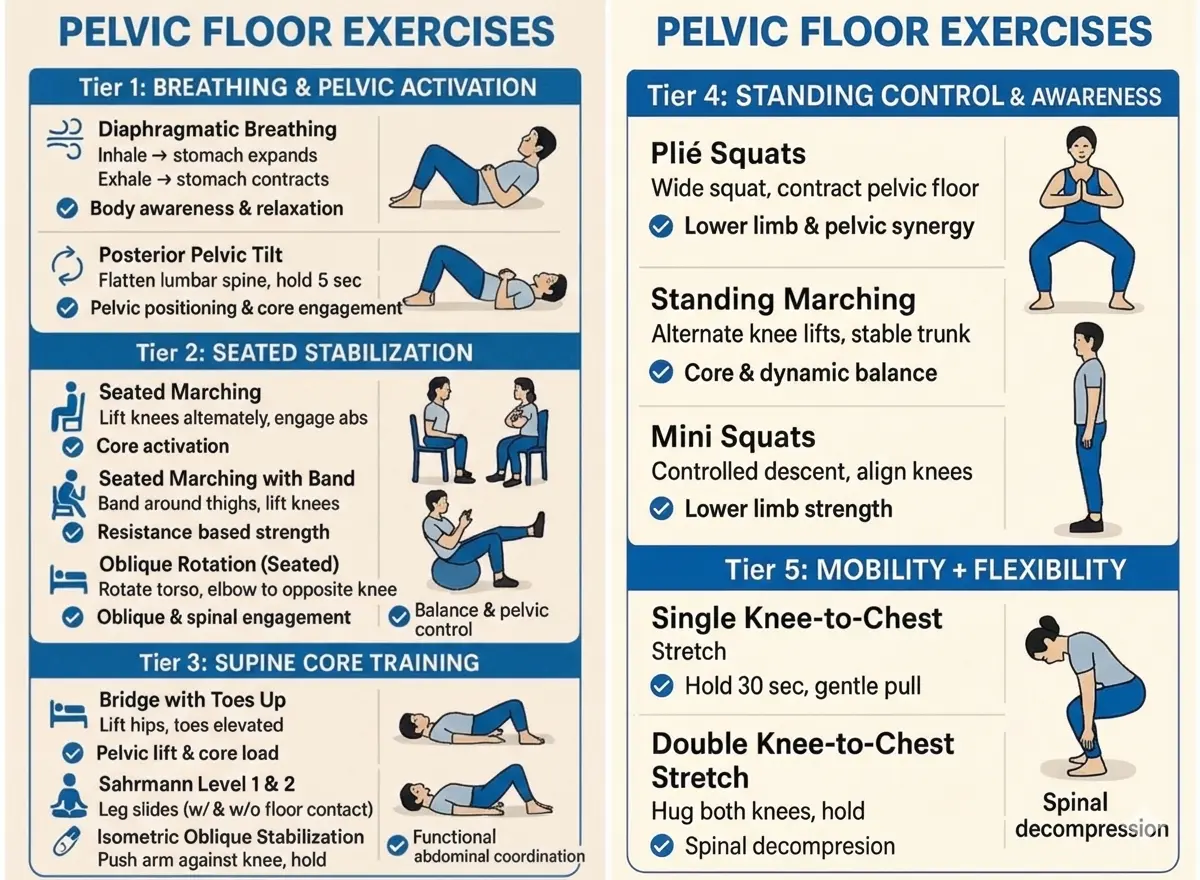
Many women skip pelvic floor exercises because they do not know how important they are. But research and medical experts agree — these exercises offer real, meaningful benefits during and after pregnancy.
1. Prevent Urinary Leakage (Incontinence)
Up to 50% of pregnant women experience some level of urinary leakage. This happens because the bladder sits right on top of the pelvic floor muscles. When these muscles are weak, even a small sneeze or laugh can cause a leak. Regular pelvic floor exercises help prevent and reduce this issue significantly.
2. Support Your Baby’s Weight
A baby can weigh anywhere from 6 to 9 pounds (or more) by the end of pregnancy. Your pelvic floor muscles carry this weight every single day. Strong muscles reduce the feeling of heaviness and lower your risk of conditions like pelvic organ prolapse (where organs drop lower than they should).
3. Help During Labour and Delivery
Having good control over your pelvic floor muscles means you know how to both tighten and relax them. During labour, relaxing these muscles is just as important as pushing. Women who regularly do pelvic floor exercises often have shorter pushing stages and reduced risk of tearing.
4. Speed Up Recovery After Birth
Whether you have a vaginal birth or a C-section, your pelvic floor goes through a lot. Women who have been doing pelvic floor exercises throughout pregnancy generally recover faster after delivery. Their muscles bounce back more quickly, and they experience less discomfort.
5. Improve Sexual Health
A strong and flexible pelvic floor contributes to a healthy sex life. During and after pregnancy, many women notice changes in sensation. Regular pelvic floor exercise helps maintain blood flow, muscle tone, and sensitivity in this area.
6. Reduce Back and Hip Pain
Your pelvic floor works as part of a group of core muscles that also includes your back muscles and diaphragm. When the pelvic floor is strong, it helps stabilise your spine and pelvis, reducing lower back and hip pain — a very common complaint during pregnancy.
How to Find Your Pelvic Floor Muscles
Before you can exercise your pelvic floor, you need to know where it is and how to use it. Many women accidentally tighten the wrong muscles — like the stomach, thighs, or buttocks. Here is how to find the right muscles:
Method 1: The Stop-Flow Technique
The next time you go to the bathroom, try stopping the flow of urine midway. The muscles you use to do that are your pelvic floor muscles.
Important: Do not do this regularly as an exercise. It is just a way to identify the muscles. Repeatedly stopping urine flow can interfere with normal bladder function.
Method 2: Imagine You Are Holding Something In
Sit or lie down comfortably. Imagine you are trying to stop yourself from passing wind (gas) from your back passage. The squeezing, lifting feeling you notice inside is your pelvic floor engaging. You should not feel any tightening in your stomach, buttocks, or thighs.
Method 3: Use Your Fingers (Optional)
Wash your hands thoroughly. Gently place a finger just inside the vaginal opening. Try to squeeze the muscles around your finger. If you feel a gentle grip, you have found the right muscles.
Pelvic Floor Exercises: Step-by-Step Guide
Now that you know where your pelvic floor muscles are, here are the main exercises you can do during pregnancy. Always empty your bladder before starting.
Exercise 1: Basic Kegel Contractions
How to do it:
- Sit comfortably or lie on your side.
- Breathe in gently. As you breathe out, squeeze and lift your pelvic floor muscles (as if stopping urine flow).
- Hold the contraction for 3 to 5 seconds. As you get stronger, work up to 10 seconds.
- Slowly release and relax for the same amount of time.
- Repeat 10 times. This counts as one set.
- Aim for 3 sets per day.
Common mistakes to avoid:
- Do not hold your breath. Keep breathing normally throughout.
- Do not tighten your tummy, thighs, or buttocks.
- Do not push outwards — always squeeze and lift upward.
Exercise 2: Quick Flicks
Quick flicks help you react fast — like when you sneeze or cough. This type of exercise trains the fast-twitch fibres of your pelvic floor, which respond rapidly to sudden pressure.
How to do it:
- Squeeze your pelvic floor muscles quickly.
- Hold for just 1 second, then fully relax.
- Repeat 10 times. Do this 3 times a day.
Exercise 3: The Elevator Exercise
This advanced exercise teaches you to have more control over different levels of muscle tension — very useful during labour.
How to do it:
- Imagine your pelvic floor is an elevator with 4 floors.
- Starting at ground floor (fully relaxed), slowly lift up to the first floor — tighten the muscles slightly.
- Hold for 2 seconds, then lift to the second floor (a little more tightening).
- Continue to the third and fourth floors, tightening more at each level.
- Then slowly “bring the elevator down” floor by floor, relaxing a little at each level.
- Finish by fully relaxing at the ground floor.
Exercise 4: Pelvic Tilts
Pelvic tilts strengthen both the pelvic floor and the lower back muscles. They also help relieve back pain during pregnancy.
How to do it:
- Stand with your back against a wall, feet hip-width apart. Or you can get on all fours on the floor.
- Breathe in. As you breathe out, gently tighten your tummy muscles and tilt your pelvis slightly forward (tucking your bottom in).
- Hold for 5 seconds, then relax.
- Repeat 10 times.
Exercise 5: Deep Breathing with Pelvic Engagement
This exercise connects your breathing to your pelvic floor, which is how they naturally work together in the body.
How to do it:
- Sit comfortably in a chair or cross-legged on the floor.
- Take a slow, deep breath in through your nose. As you inhale, feel your pelvic floor gently relax and drop down.
- As you breathe out slowly through your mouth, gently squeeze and lift the pelvic floor.
- Repeat for 5 to 10 breaths.
Pelvic Floor Exercises by Trimester
Every stage of pregnancy brings different changes to your body. Here is how to adapt your pelvic floor routine as your baby grows.
First Trimester (Weeks 1 to 12)
Your body is just beginning its journey. Your pelvic floor is not yet under severe pressure, but this is the best time to build a habit. Start with basic Kegel exercises and quick flicks. Try to do them at least once a day. Since nausea may be an issue, choose a calm, relaxed time — like after waking up or before sleeping.
Most exercises, including floor exercises on your back, are still safe in the first trimester. Focus on learning the correct technique.
Second Trimester (Weeks 13 to 26)
Your belly is growing, and your pelvic floor is working harder. This is a great time to add the elevator exercise and pelvic tilts. You should now avoid lying flat on your back for long periods, as the weight of the uterus can press on a major blood vessel. Sit in a chair, lie on your side, or use a slightly elevated position instead.
Aim to do your pelvic floor exercises 2 to 3 times a day. You can even do Kegels while sitting at your desk, watching television, or waiting in a queue — no one will know!
Third Trimester (Weeks 27 to 40)
The pressure on your pelvic floor is now at its highest. It is normal to feel more heaviness in the pelvis. Keep doing your exercises, but focus more on the relaxation part as well as the contraction. Learning to let go of the muscles completely is crucial for labour.
If you experience any pain, bleeding, or significant discomfort during exercise, stop immediately and speak with your midwife or doctor.
Signs That Your Pelvic Floor May Need Extra Help
Sometimes, regular exercises are not enough — especially if the pelvic floor muscles are already very weak or if there is a specific issue like pelvic girdle pain. You may need to see a specialist (a pelvic floor physiotherapist) if you notice:
- Leaking urine with every sneeze, cough, or laugh
- Frequent or urgent need to use the bathroom
- Pain in the pelvis, hips, or lower back that does not improve
- A feeling of bulging or heaviness in the vaginal area
- Difficulty emptying the bladder or bowel
- Pain during sex
What to Avoid During Pelvic Floor Exercise
- Do not over-exercise
- Do not hold your breath
- Avoid straining
- Do not skip the relaxation phase
- Avoid high-impact activities if you experience pelvic pain
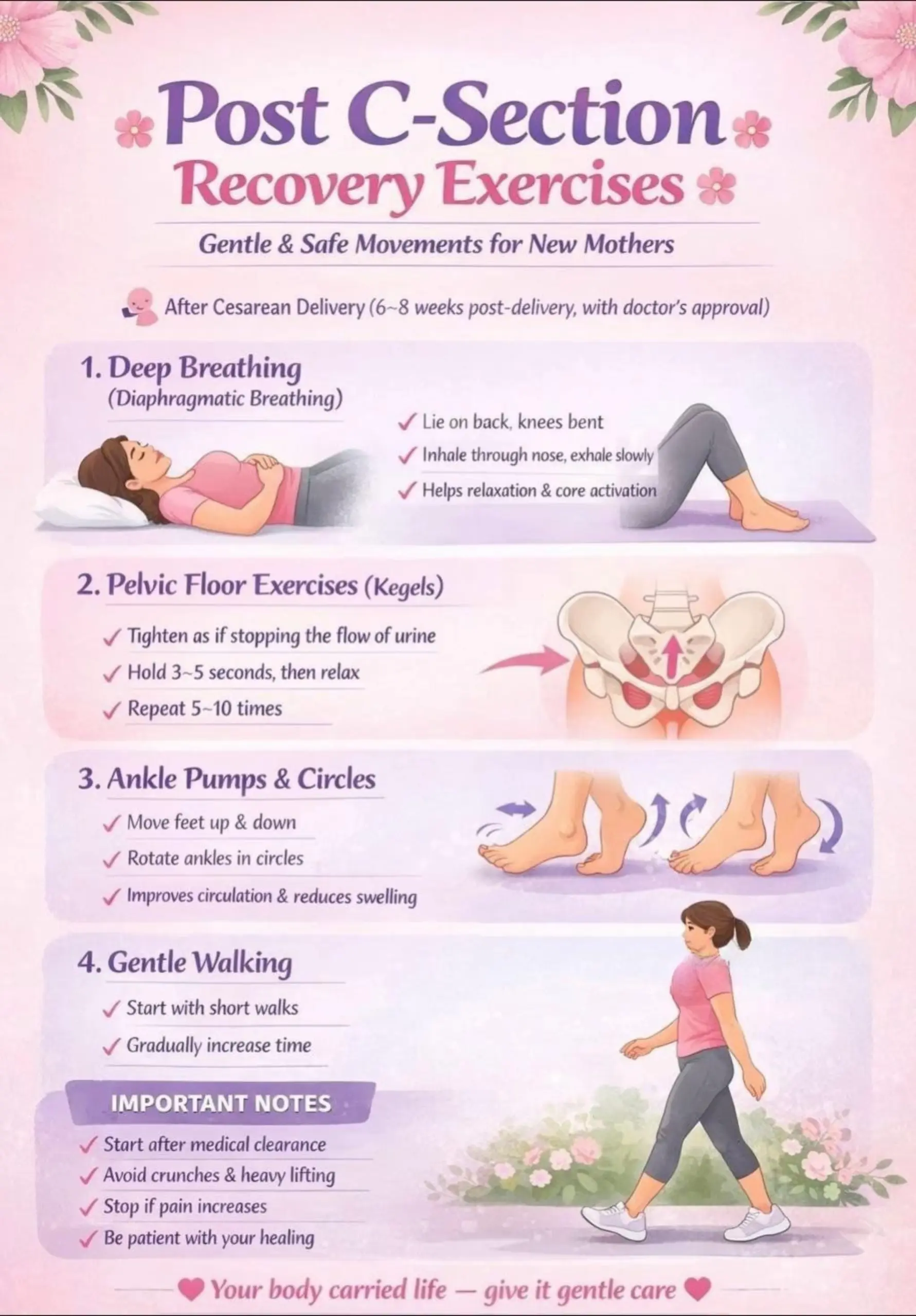
Pelvic Floor Exercises After Birth
Your pelvic floor journey does not end when the baby arrives — in fact, postnatal care is just as important as prenatal care.
Frequently Asked Questions
Are pelvic floor exercises safe for all pregnant women?
Yes, for most women, pelvic floor exercises are completely safe throughout all three trimesters.
How long until I see results?
Many women notice improvement within 4 to 6 weeks.
Can I do too many Kegel exercises?
Yes, over-training can lead to overly tight muscles.
What if I cannot feel the muscles working?
This is common — seek help from a pelvic floor physiotherapist.
I already have pelvic pain. Should I still do these exercises?
You should consult a pelvic health physiotherapist.
Do pelvic floor exercises guarantee an easier labour?
They do not guarantee it, but they do help.
Final Thoughts
Taking care of your pelvic floor during pregnancy is one of the simplest and most powerful things you can do for your body. These muscles work hard every single day to support your growing baby, keep your organs in place, and maintain normal bladder and bowel function.
The good news is that you do not need expensive equipment or a gym membership to do these exercises. All you need is a few minutes each day, the right technique, and consistency.
Start today — even just a few minutes of practice makes a real difference over time. And remember, it is never too late to begin. Whether you are in your first week of pregnancy or close to your due date, your pelvic floor will benefit from the care and attention you give it.
For additional support during your pregnancy, explore our professional pregnancy massage services in Abbotsford to help relieve discomfort and promote overall wellness.