Surgery is often just the first step toward healing — not the final one. Whether you’ve undergone an
orthopedic procedure, joint replacement, or a major operation involving muscles, tendons, or bones, what happens after the surgery plays an equally important role in your recovery. This is where physiotherapy, also known as physical rehabilitation, becomes essential. Many patients assume that once the surgical wound heals, their body will automatically return to normal function. In reality, post-surgical recovery requires guided movement, targeted exercises, and professional support to restore strength, flexibility, and mobility safely.
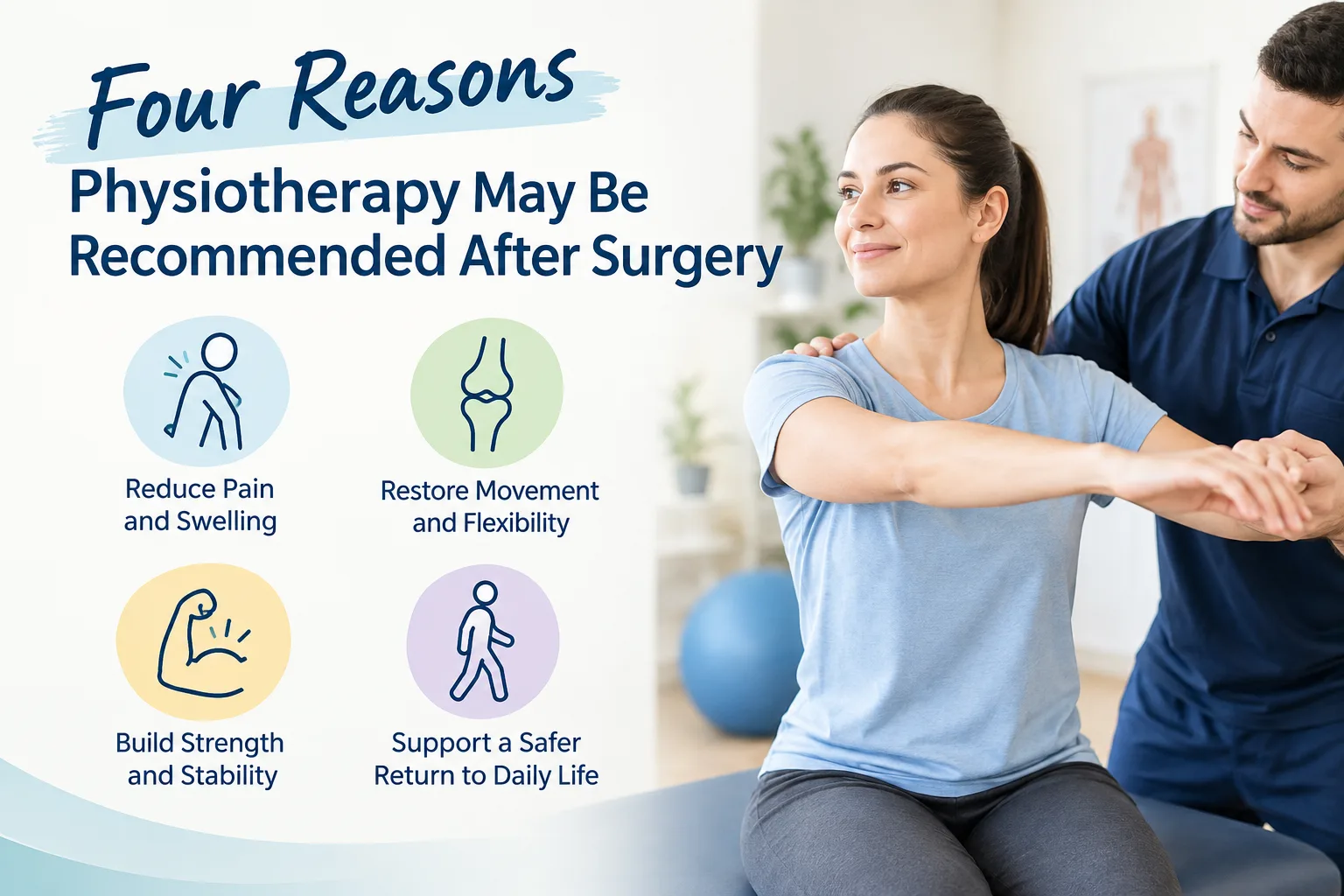
Below are four crucial reasons why physiotherapy should be a non-negotiable part of your post-operative care plan.
1. It Speeds Up Functional Recovery
After any surgical procedure, especially those involving joints, muscles, or the spine, your body naturally becomes stiff and weak due to inactivity, swelling, and tissue trauma. Physiotherapy helps reverse this by using structured rehabilitation techniques such as guided stretching, manual therapy, and progressive strengthening exercises. These interventions stimulate blood circulation, reduce inflammation, and rebuild muscle tone that may have weakened during your hospital stay.
A skilled physiotherapist assesses your unique condition and designs a customized recovery plan tailored to your surgery type, whether it’s a knee replacement, spinal surgery, or abdominal operation. This individualized approach ensures that healing tissues are neither overworked nor left inactive, striking the right balance for optimal tissue repair. Patients who begin physiotherapy early, under professional supervision, often regain independence and functional movement much faster than those who skip rehabilitation altogether.
2. It Prevents Complications Like Blood Clots and Muscle Atrophy
Prolonged immobility after surgery increases the risk of serious complications, including deep vein thrombosis (blood clots), muscle wasting, and joint stiffness. When the body remains inactive for extended periods, blood flow slows down, particularly in the lower limbs, raising the likelihood of clot formation. Physiotherapy incorporates gentle mobilization techniques and circulation-boosting exercises that significantly lower this risk.
Additionally, muscles that aren’t used tend to weaken rapidly — a condition known as disuse atrophy. A physiotherapist introduces safe, low-impact movements early in the recovery timeline to keep muscles engaged without straining the surgical site. This proactive approach not only protects against clot-related complications but also preserves muscle mass, joint lubrication, and overall physical function during the healing process.
3. It Manages Pain Naturally and Reduces Dependence on Medication
Post-surgical pain is common, but relying solely on painkillers isn’t always the healthiest long-term solution. Physiotherapy offers a natural, drug-free approach to pain management through techniques such as therapeutic exercises, manual mobilization, soft tissue massage, and modalities like heat or cold therapy. These methods work by improving blood flow, reducing muscle tension, and promoting the release of the body’s natural pain-relieving chemicals.
Moreover, physiotherapists teach patients proper posture, movement mechanics, and breathing techniques that minimize strain on the healing area. This not only alleviates discomfort but also prevents compensatory habits — such as favoring one side of the body — that can lead to secondary pain or injury elsewhere. Over time, this reduces dependence on pain medication, supporting a safer and more sustainable recovery journey.
4. It Restores Mobility, Strength, and Confidence
One of the most significant benefits of physiotherapy after surgery is the restoration of full range of motion and physical strength. Scar tissue formation, joint stiffness, and muscle weakness are natural side effects of surgical trauma, and without proper rehabilitation, they can lead to long-term mobility restrictions. Physiotherapists use targeted stretching, resistance training, and balance exercises to gradually rebuild strength and flexibility in the affected area.
Beyond the physical benefits, physiotherapy also plays a psychological role in recovery. Many patients experience anxiety or fear of movement after surgery, worried that physical activity might cause pain or damage. Working with a physiotherapist provides reassurance, structured guidance, and measurable progress, which helps rebuild confidence in the body’s ability to move safely. This combination of physical and emotional support is often what separates a smooth, complete recovery from a prolonged or incomplete one.
Final Thoughts
Physiotherapy is far more than an optional add-on to your surgical recovery — it’s a critical component that influences how quickly and completely you heal. From accelerating functional recovery and preventing complications to managing pain naturally and restoring mobility, the benefits of post-surgical rehabilitation are backed by both clinical evidence and real patient outcomes.
If you or a loved one has recently undergone surgery, consulting a
licensed physiotherapist as part of your recovery plan can make a meaningful difference. Early intervention, consistent rehabilitation exercises, and professional guidance can help you return to your daily activities safely, confidently, and with reduced risk of long-term complications.
Always consult your surgeon or healthcare provider to determine the right time to begin physiotherapy based on your specific procedure and health condition.