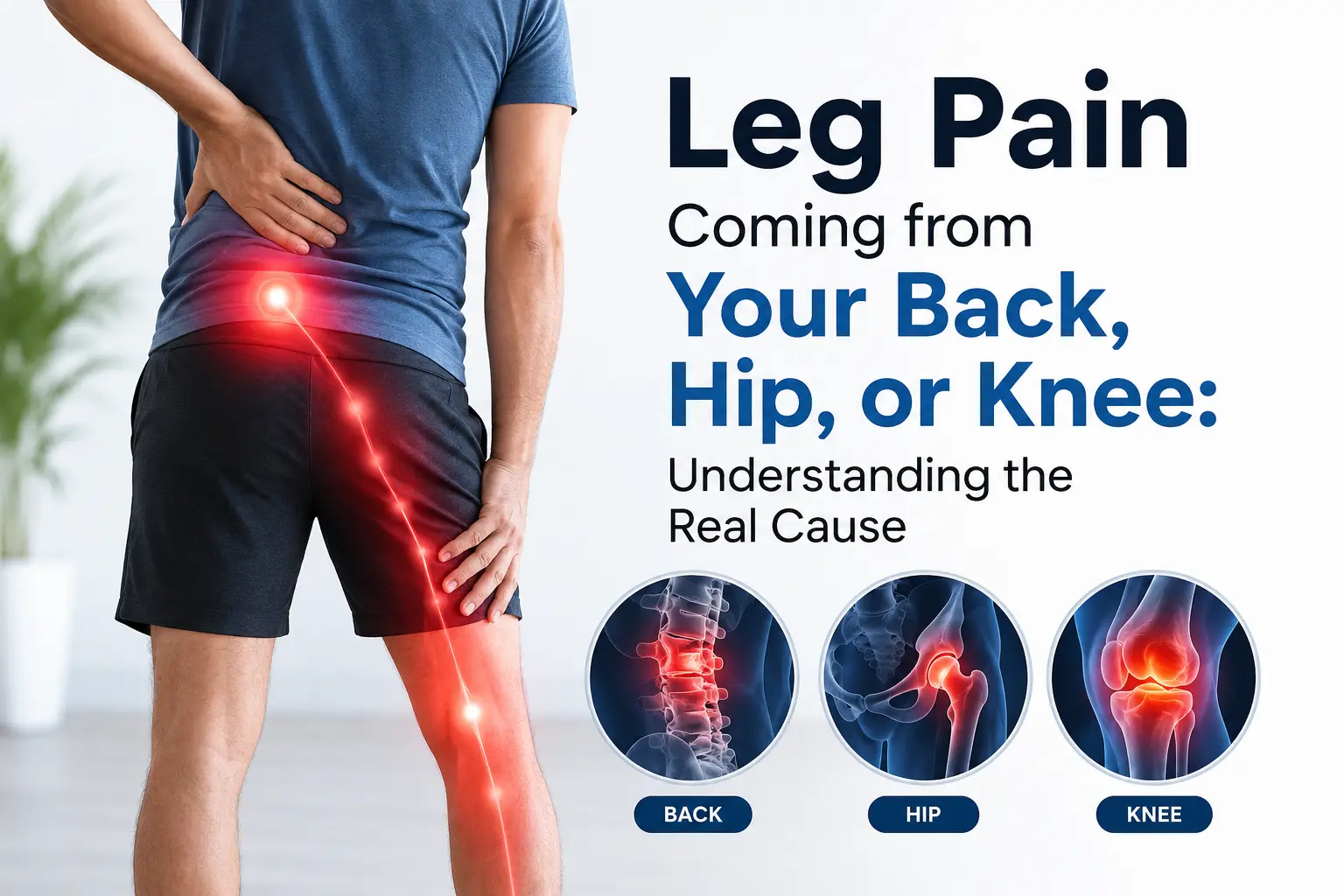
Leg pain is one of the most common reasons people seek physiotherapy. However, the painful area is not always the source of the problem. Pain felt in the leg may actually originate from the lower back, hip, pelvis, or knee, making an accurate diagnosis essential for successful treatment.
At Townline Physiotherapy Abbotsford, our experienced physiotherapists perform comprehensive assessments to determine whether your symptoms are caused by sciatica, lumbar disc injuries, hip dysfunction, knee conditions, muscle strains, or nerve irritation. We create personalized treatment plans using evidence-based therapies including dry needling,
cupping therapy, manual therapy, cold laser therapy, exercise rehabilitation, and education to help you recover safely and return to your daily activities.
Why Does Leg Pain Happen?
The nerves, muscles, joints, and connective tissues of your lower back, hips, and legs work together. An injury in one area can cause pain that radiates to another.
For example:
- A lumbar disc injury may cause pain traveling into the calf or foot.
- Hip arthritis may feel like knee pain.
- A knee injury may change your walking pattern, leading to hip or lower back pain.
- Tight muscles or irritated nerves can refer pain down the leg.
Finding the true source of pain is the first step toward effective treatment.
Common Causes of Leg Pain
Motor Vehicle Accidents (ICBC Injuries)
Car accidents can place significant stress on the spine, pelvis, hips, and knees, even at low speeds.
Common injuries include:
- Sciatica
- Lumbar disc injuries
- Hip muscle strains
- Pelvic dysfunction
- Knee ligament sprains
- Nerve irritation
- Whiplash-related lower back pain
- Muscle tightness
If left untreated, these injuries may contribute to ongoing leg pain and reduced mobility.
Heavy Lifting
Improper lifting techniques at work, home, or the gym may strain the lower back and hips.
Heavy lifting can contribute to:
- Lumbar disc bulges
- Sciatica
- Muscle strains
- Sacroiliac (SI) joint dysfunction
- Hip muscle injuries
Work Injuries
Jobs involving repetitive bending, lifting, standing, kneeling, or prolonged sitting place increased stress on the lower body.
Common occupations at risk include:
- Construction workers
- Warehouse employees
- Healthcare professionals
- Mechanics
- Office workers
- Truck drivers
- Landscapers
Early physiotherapy may help reduce pain and support a safe return to work.
Poor Posture
Poor posture places extra stress on the spine and hips over time.
Contributing factors include:
- Sitting for prolonged periods
- Slouched posture
- Poor workstation ergonomics
- Weak core muscles
- Limited hip mobility
These issues may eventually lead to
lower back pain, hip pain, and radiating leg symptoms.
Common Symptoms of Leg Pain
Leg pain may present as:
- Pain in the buttock
- Pain traveling down the thigh
- Pain below the knee
- Calf pain
- Burning pain
- Tingling
- Numbness
- Weakness
- Muscle tightness
- Difficulty walking
- Pain when standing
- Pain when sitting
- Night pain
- Difficulty climbing stairs
Could It Be Sciatica?
Sciatica occurs when the sciatic nerve becomes irritated or compressed.
Symptoms often include:
- Pain radiating from the lower back into the buttock
- Pain traveling down the back of the leg
- Burning pain
- Tingling
- Numbness
- Weakness
- Increased pain with prolonged sitting
Sciatica is a symptom rather than a diagnosis. Common causes include lumbar disc injuries, spinal stenosis, and nerve irritation.
Differential Diagnosis: What Else Could Be Causing Leg Pain?
Because many conditions can produce similar symptoms, a detailed physiotherapy assessment is essential. Some possible causes include:
Lumbar Disc Herniation
A bulging or herniated disc in the lower back may compress nearby nerves, causing pain, numbness, or weakness in the leg.
Sciatica
Compression or irritation of the sciatic nerve causing radiating pain into the leg.
Hip Osteoarthritis
Hip arthritis often causes pain in the groin, buttock, or thigh and can sometimes be mistaken for knee pain.
Greater Trochanteric Pain Syndrome (Hip Bursitis)
Inflammation around the outer hip may cause pain when lying on the affected side, walking, or climbing stairs.
Sacroiliac (SI) Joint Dysfunction
Pain originating from the SI joint can radiate into the buttock and upper leg.
Knee Osteoarthritis
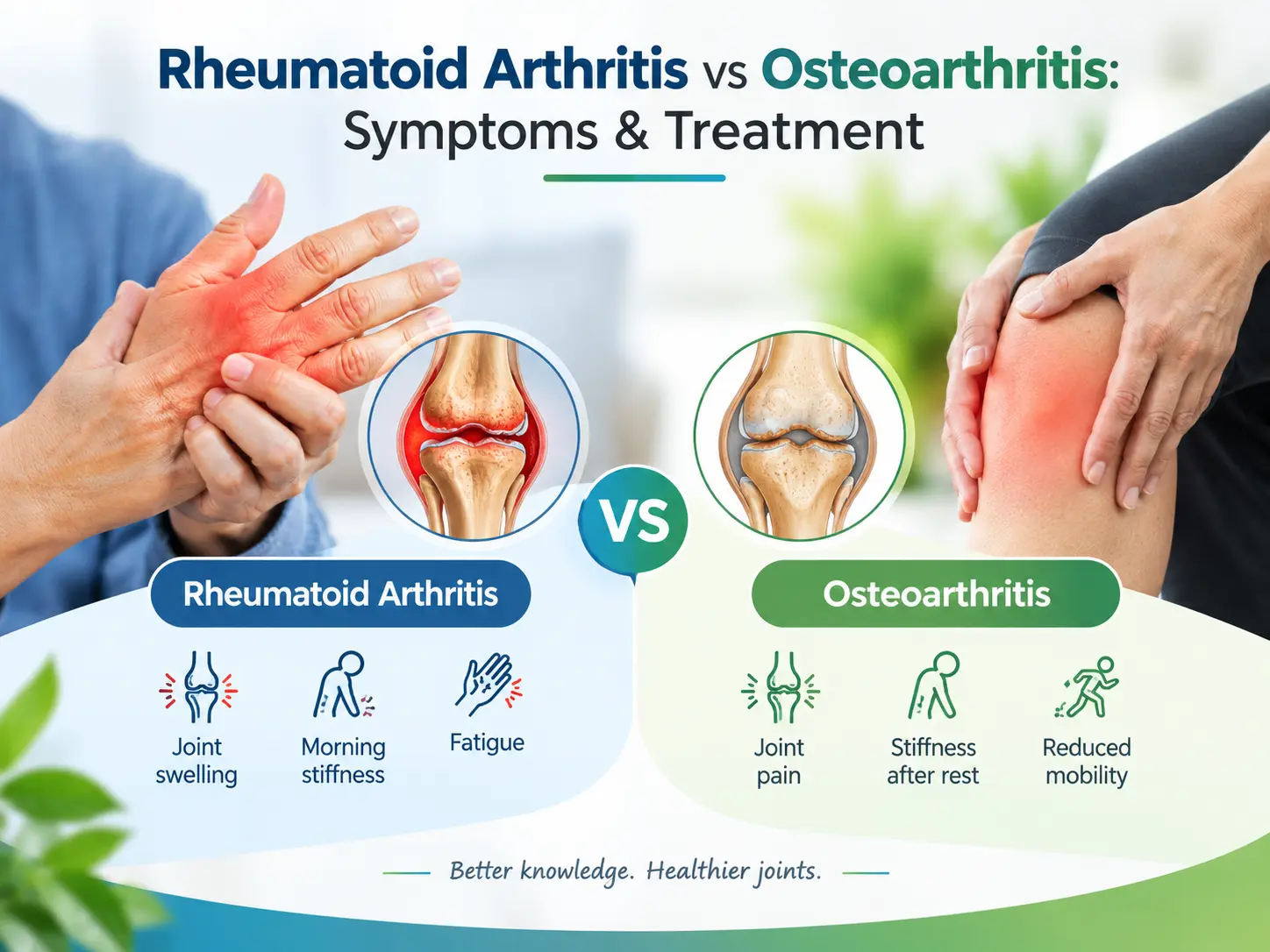
Degenerative changes in the knee may alter walking mechanics and contribute to hip and back pain.
Meniscus Injury
A torn meniscus may cause knee pain, locking, clicking, and swelling.
Muscle Strains
Injuries involving the hamstrings, quadriceps, calf muscles, or hip muscles may produce localized or radiating pain.
Peripheral Nerve Entrapment
Compression of nerves outside the spine can also mimic sciatica.
Physiotherapy Treatment for Leg Pain
At Townline Physiotherapy Abbotsford, treatment is based on the underlying cause of your symptoms.
Comprehensive Assessment
Your physiotherapist will assess:
- Spine mobility
- Hip movement
- Knee function
- Muscle strength
- Balance
- Walking pattern (gait)
- Flexibility
- Nerve mobility
- Functional movement patterns
This helps determine the true source of your pain.
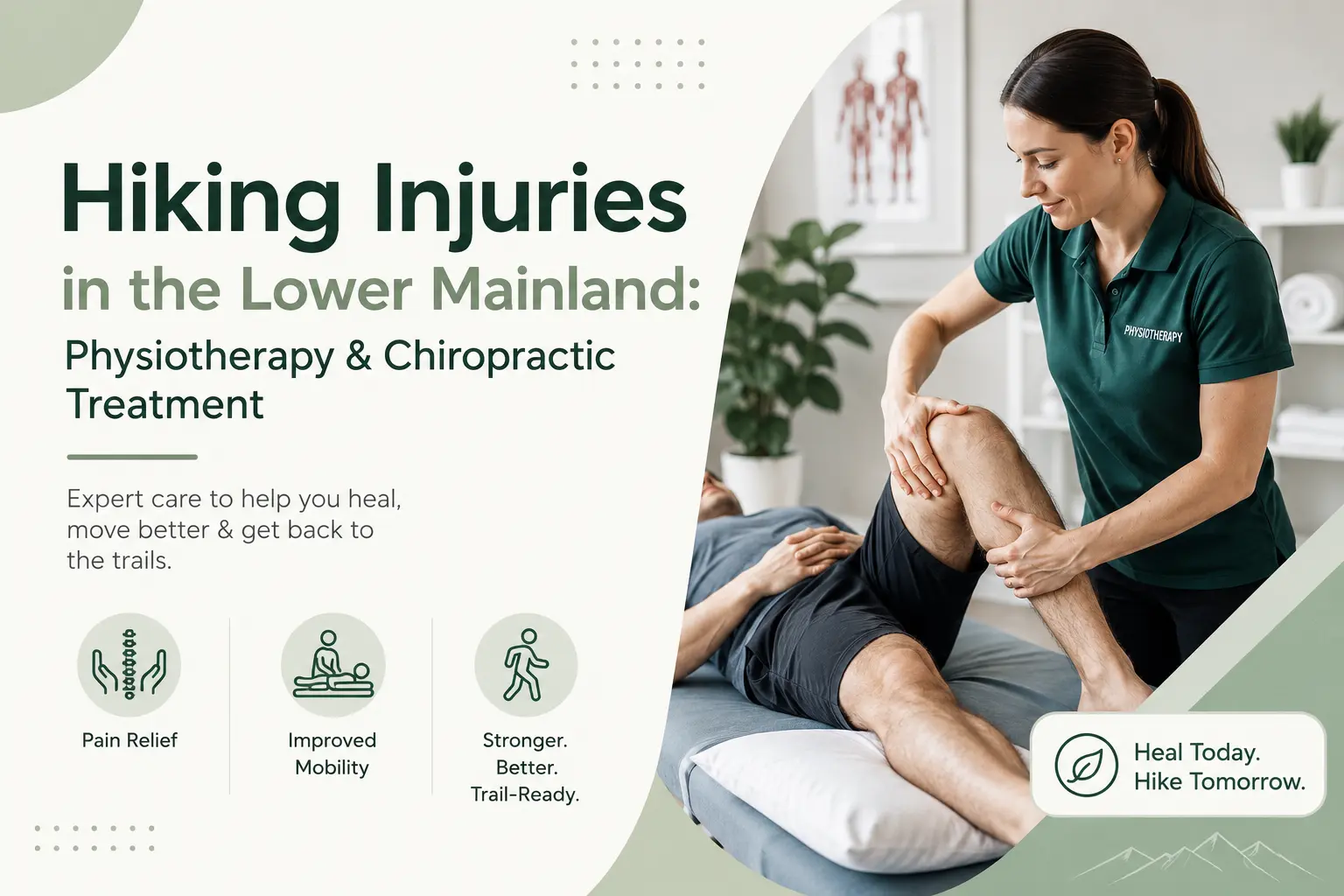
Manual Therapy
Hands-on treatment may help:
- Improve joint mobility
- Reduce muscle tension
- Restore normal movement
- Improve flexibility
- Decrease stiffness
Dry Needling
Dry needling targets tight muscles and trigger points that may contribute to pain.
Potential benefits include:
- Reduced muscle tension
- Improved mobility
- Decreased pain
- Better circulation
- Faster recovery
Dry needling may be beneficial for muscle-related back, hip, and leg pain when clinically appropriate.
Cupping Therapy
Cupping therapy creates gentle suction over the skin to improve circulation and reduce muscle tightness.
Benefits may include:
- Improved blood flow
- Reduced muscle tension
- Increased flexibility
- Pain relief
- Enhanced recovery
Cold Laser Therapy
Cold laser therapy uses low-level light energy to help reduce inflammation and support tissue healing.
It may help:
- Relieve pain
- Reduce inflammation
- Improve circulation
- Promote tissue repair
- Support recovery after injury
Exercise Rehabilitation
Exercise is one of the most effective treatments for many musculoskeletal conditions.
Your personalized program may include:
- Core strengthening
- Hip strengthening
- Gluteal exercises
- Hamstring stretching
- Nerve gliding exercises
- Balance training
- Functional strengthening
- Postural correction
- Mobility exercises
Your physiotherapist will progress exercises based on your recovery and goals.
Tips to Help Prevent Leg Pain
- Lift with proper technique.
- Maintain good posture while sitting and standing.
- Stay physically active.
- Strengthen your core and hip muscles.
- Stretch regularly.
- Take breaks during prolonged sitting or repetitive work.
- Address symptoms early before they become chronic.
Why Choose Townline Physiotherapy Abbotsford?
At Townline Physiotherapy Abbotsford, we provide evidence-based care for patients experiencing lower back, hip, knee, and leg pain.
Our clinic offers:
- Comprehensive physiotherapy assessments
- One-on-one treatment sessions
- ICBC rehabilitation
- WorkSafeBC injury rehabilitation
- Dry needling
- Cupping therapy
- Cold laser therapy
- Manual therapy
- Exercise rehabilitation
- Personalized recovery plans
Our goal is to identify the true source of your pain and help you return to work, sports, and everyday life with confidence.
Frequently Asked Questions
Can leg pain come from the lower back?
Yes. Conditions such as lumbar disc herniation, sciatica, and spinal stenosis can cause pain that radiates into the buttock, thigh, calf, or foot.
Can hip problems cause knee pain?
Yes. Hip conditions, including osteoarthritis and muscle dysfunction, may refer pain to the knee. This is why a full assessment is important rather than treating the knee alone.
How do I know if my leg pain is sciatica?
Sciatica often causes pain that starts in the lower back or buttock and travels down the leg. Symptoms may include tingling, numbness, burning pain, or weakness. However, similar symptoms can occur with other conditions, so a professional assessment is recommended.
Does dry needling help sciatica?
Dry needling may help reduce muscle tension associated with sciatica and improve movement when muscle tightness is contributing to symptoms. It is typically used alongside exercise and manual therapy as part of a comprehensive treatment plan.
Can cupping therapy help leg pain?
Cupping therapy may reduce muscle tightness, improve circulation, and relieve pain in selected musculoskeletal conditions. Your physiotherapist will determine whether it is appropriate for your specific diagnosis.
What exercises help leg pain?
The most effective exercises depend on the underlying cause of your pain. Treatment may include core stabilization, hip strengthening, nerve gliding, flexibility training, and functional exercises prescribed by your physiotherapist.
When should I see a physiotherapist?
You should consider an assessment if your leg pain lasts more than a few days, follows a car accident or workplace injury, is associated with numbness or weakness, interferes with walking or sleep, or keeps returning despite rest.
Book Your Physiotherapy Assessment Today
If you’re experiencing leg pain, sciatica, hip pain, knee pain, or lower back pain, don’t wait for symptoms to worsen. Early diagnosis and individualized treatment can improve your recovery and help prevent chronic pain.
At Townline Physiotherapy Abbotsford, we provide comprehensive assessments and personalized rehabilitation using dry needling, cupping therapy, cold laser therapy, manual therapy, and targeted exercise programs to help you move better and feel your best.