Occupational therapy focuses on the activities—or “occupations”—that people need or want to do in daily life. Depending on the setting and the therapist’s scope, care may address personal care, household tasks, work, school, sleep routines, community access, and adaptation after injury or illness.
1. Break complex tasks into manageable steps
Planning a task before starting can reduce physical and cognitive demand. An occupational therapist may help sequence activities, identify barriers, and simplify the environment while preserving independence.
2. Use pacing instead of an all-or-nothing cycle
Alternating activity and recovery can be useful for people managing pain, fatigue, concussion symptoms, or reduced endurance. Pacing is individualized: the aim is to build sustainable participation, not to avoid activity indefinitely.
3. Adapt the home or workspace
Small changes—such as repositioning frequently used items, adjusting work height, improving lighting, or using appropriate assistive equipment—may reduce unnecessary effort. Recommendations should reflect the person, task, environment, and safety needs.
4. Practise the real activity
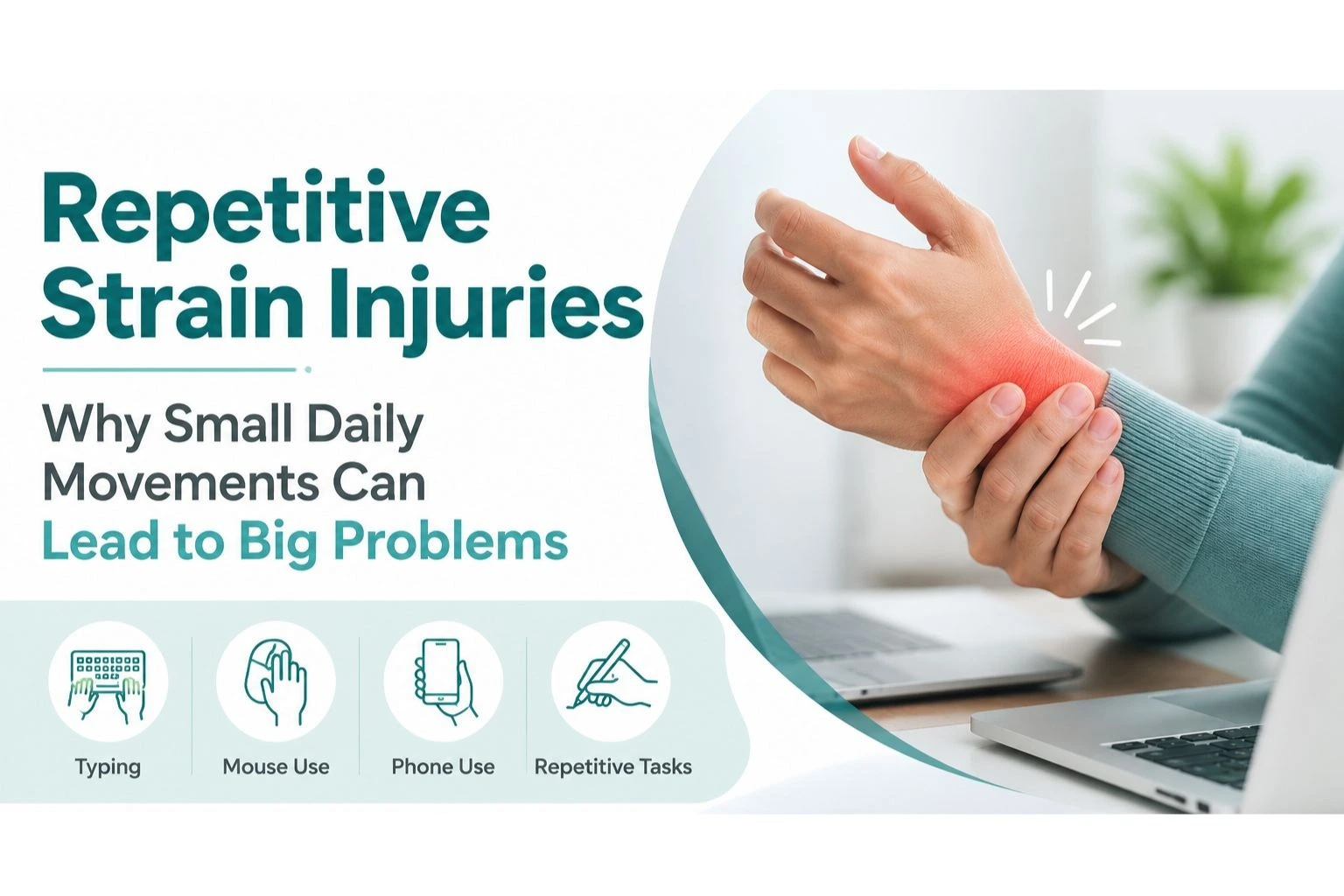
Rehabilitation is more useful when it connects to meaningful tasks. Therapy may include graded practice of dressing, meal preparation, computer work, lifting, hand use, driving-related skills, or return-to-work duties.
5. Support routines and self-management
Consistent routines for sleep, medication, appointments, exercise, and energy management can make daily life more predictable. Some people also benefit from reminders, checklists, or environmental cues.
Occupational therapy and physiotherapy
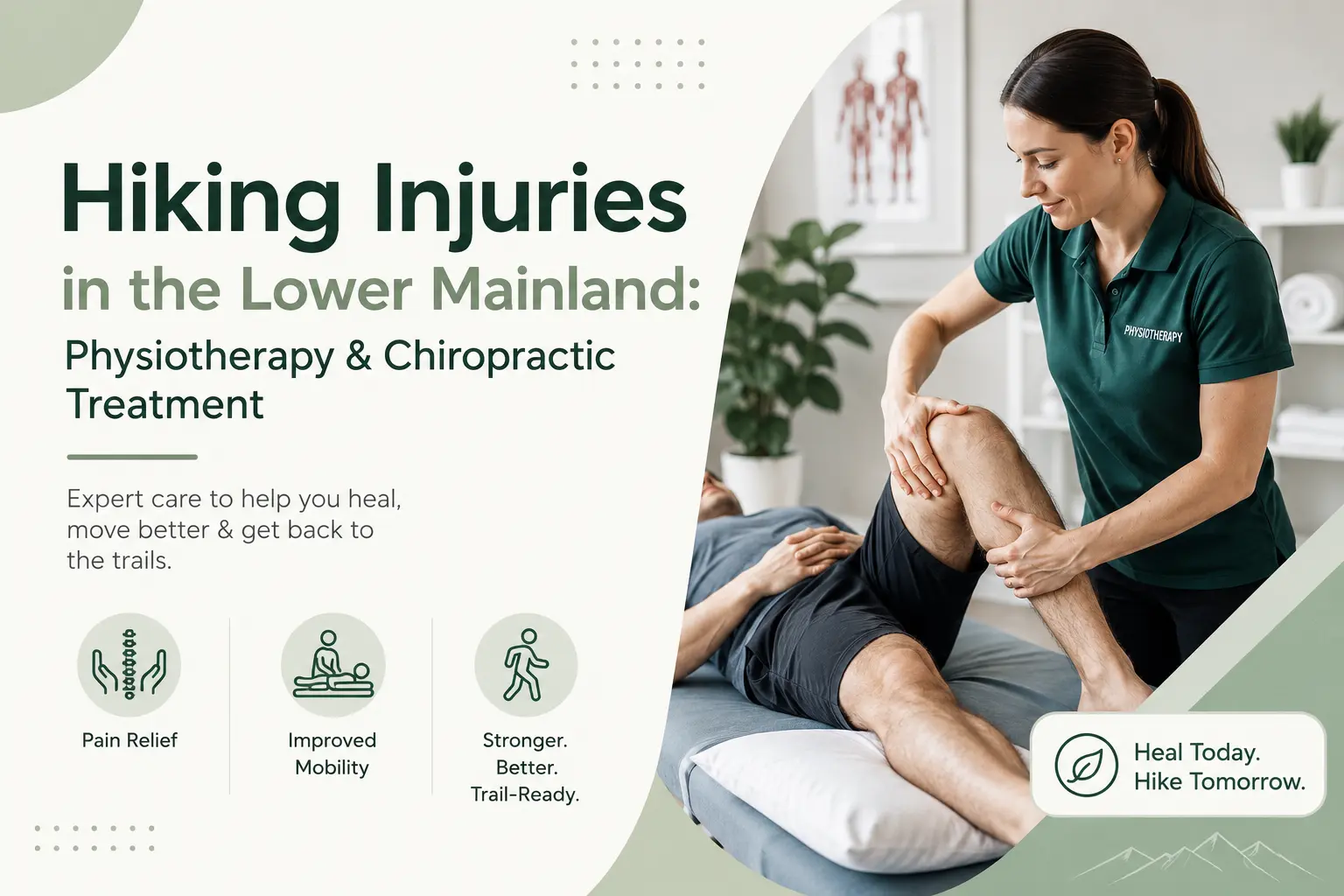
The professions can overlap but have different emphases. Physiotherapy often focuses on movement, strength, mobility, balance, and physical rehabilitation. Occupational therapy centres daily function and participation, including task or environmental adaptation. A coordinated plan may include both when appropriate.
When to seek urgent help
Sudden weakness, facial droop, speech difficulty, severe confusion, chest pain, or a major loss of function can be a medical emergency. Call 9-1-1. New or worsening concerns should be assessed by an appropriate health professional.
Find the right service
Service availability and clinician scope should be confirmed before booking. Explore Townline’s current
rehabilitation services or
contact the clinic to ask which provider best matches your needs.
This article is general information and does not replace individualized assessment.