


Get Free Consultation
8:30AM - 7:00PM
Get Free Consultation
8:30AM - 7:00PM
Hip bursitis occurs when the bursae—small fluid-filled sacs that cushion bones, muscles, and tendons—become irritated or inflamed. This usually happens due to repetitive movements, poor posture, muscle imbalances, or prolonged pressure on the hip. People with bursitis often experience pain on the outer hip, tenderness when touched, and discomfort while walking, climbing stairs, or lying on one side.
Although it can affect individuals of any age, hip bursitis is more common in active adults, older adults, and those with biomechanical issues. If left untreated, the inflammation may worsen, leading to increased pain and reduced mobility. Early assessment and proper management, including Physiotherapy, can relieve discomfort, improve movement, and help prevent future flare-ups.
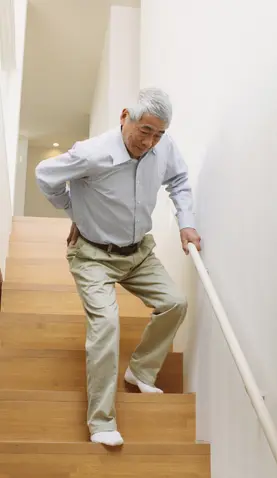

Physiotherapy plays an important role in reducing pain, restoring movement, and preventing future flare-ups. A personalized treatment plan focuses not only on easing symptoms but also on correcting the underlying causes of hip irritation.
Treatment may include hands-on techniques to reduce tension around the hip, guided exercises to improve strength and stability, and mobility work to support healthy joint movement. Education is also a key part of care, helping patients understand posture, activity modification, and daily habits that may be contributing to their discomfort.
This approach allows recovery to happen gradually and safely, without relying solely on rest or medication.


No two cases of hip pain are the same. Effective care begins with a thorough assessment to identify movement restrictions, muscle imbalances, and joint stress patterns. From there, therapy is tailored to individual needs, activity levels, and recovery goals.
For some patients, the focus may be on returning to sports or physical work. For others, it may involve improving comfort during everyday activities such as walking, standing, or sleeping. A personalized plan ensures progress at a pace that feels manageable and sustainable.

Recovery from hip bursitis continues beyond your physiotherapy sessions. Home exercises, posture guidance, and activity recommendations are key to a successful outcome. Learning proper movement techniques helps protect the hip joint, reduce stress on irritated tissues, and support long-term joint health.
Physiotherapy also focuses on prevention, helping patients build strength, flexibility, and body awareness. By improving muscle support and movement patterns, future hip pain and flare-ups are less likely. Consistent care and guided exercises empower patients to manage their condition effectively, maintain mobility, and enjoy daily activities comfortably while reducing the risk of recurring hip discomfort.
Living with hip pain or bursitis can make everyday activities challenging and uncomfortable, but relief is possible. With professional hip pain and bursitis therapy in Abbotsford, patients receive personalized care designed to reduce pain, improve movement, and restore strength. Targeted exercises, hands-on techniques, and guidance on posture and daily activities help protect the hip joint while promoting healing. Many individuals notice significant improvements in mobility, flexibility, and overall comfort, allowing them to return to their usual routines. With consistent, structured therapy, patients can enjoy a better quality of life, move more freely, and prevent future flare-ups of hip discomfort.

Exceptional care at Townline Physiotherapy! The knowledgeable and caring team crafted a personalized plan that transformed my mobility and quality of life. They truly go above and beyond for their patients.










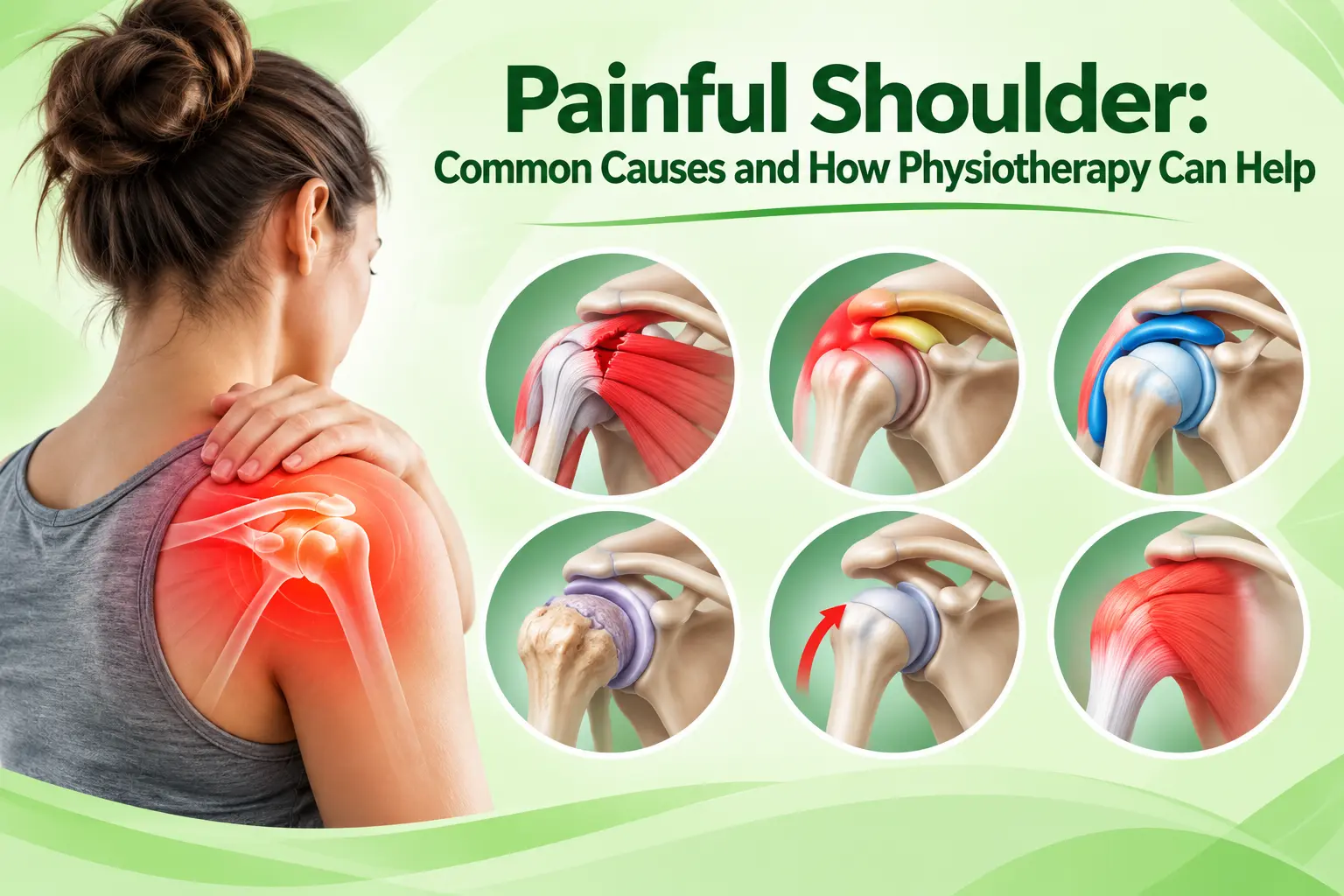
Shoulder pain can make surprisingly simple things difficult. Reaching into a cupboard, putting on a...
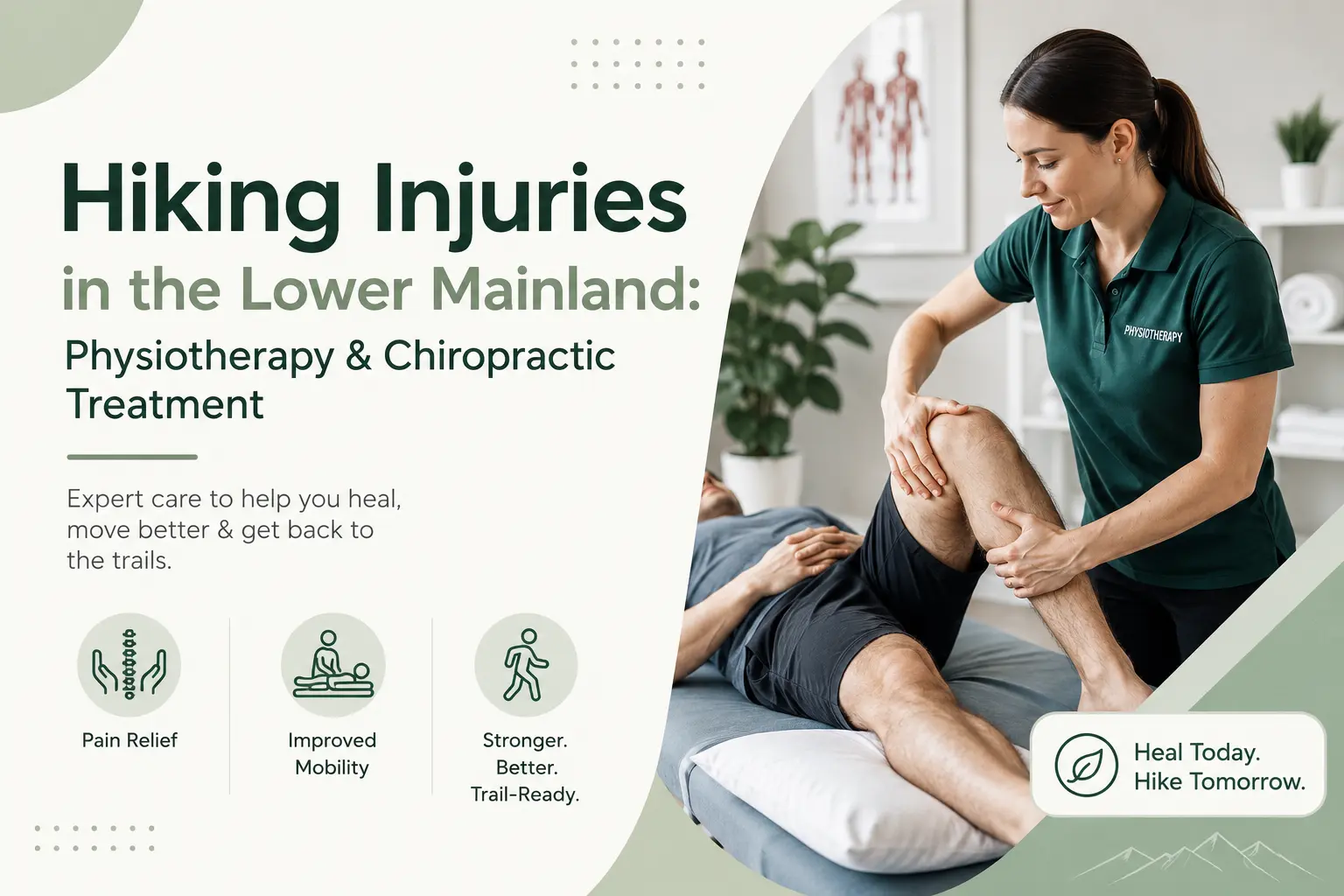
The Lower Mainland offers some of British Columbia’s best hiking opportunities. From local trails around...

A total knee replacement (TKR) can significantly improve mobility and quality of life for people...
© 2022 - 2026 Townline Physiotherapy
Website Design and Marketed by