How Physiotherapy in Abbotsford Can Help
A chilly morning can make the first few steps out of bed feel harder than usual. If your knees, hips, hands or shoulders seem stiffer during a Fraser Valley winter, you are not alone. Shorter days and wet weather can also make it easier to spend more time sitting and less time moving.
The good news is that a manageable movement routine can help you stay active. Physiotherapy focuses on understanding your symptoms, improving strength and mobility, and helping you return to the activities that matter to you.
At Townline Physiotherapy in Abbotsford, an assessment is a practical starting point when joint pain is getting in the way of everyday life.
Why Joints May Feel Stiffer in Winter
Some people notice that their joint symptoms change with the weather. Research on weather and pain is mixed, so it is too simple to say that cold temperatures directly cause arthritis or that damp weather damages joints.
Your winter routine matters too. Long periods of sitting can leave joints feeling stiff, while reduced activity can make daily tasks more demanding over time. Pain, sleep and activity levels can influence one another. A flare in symptoms does not automatically mean that a joint has sustained new damage.
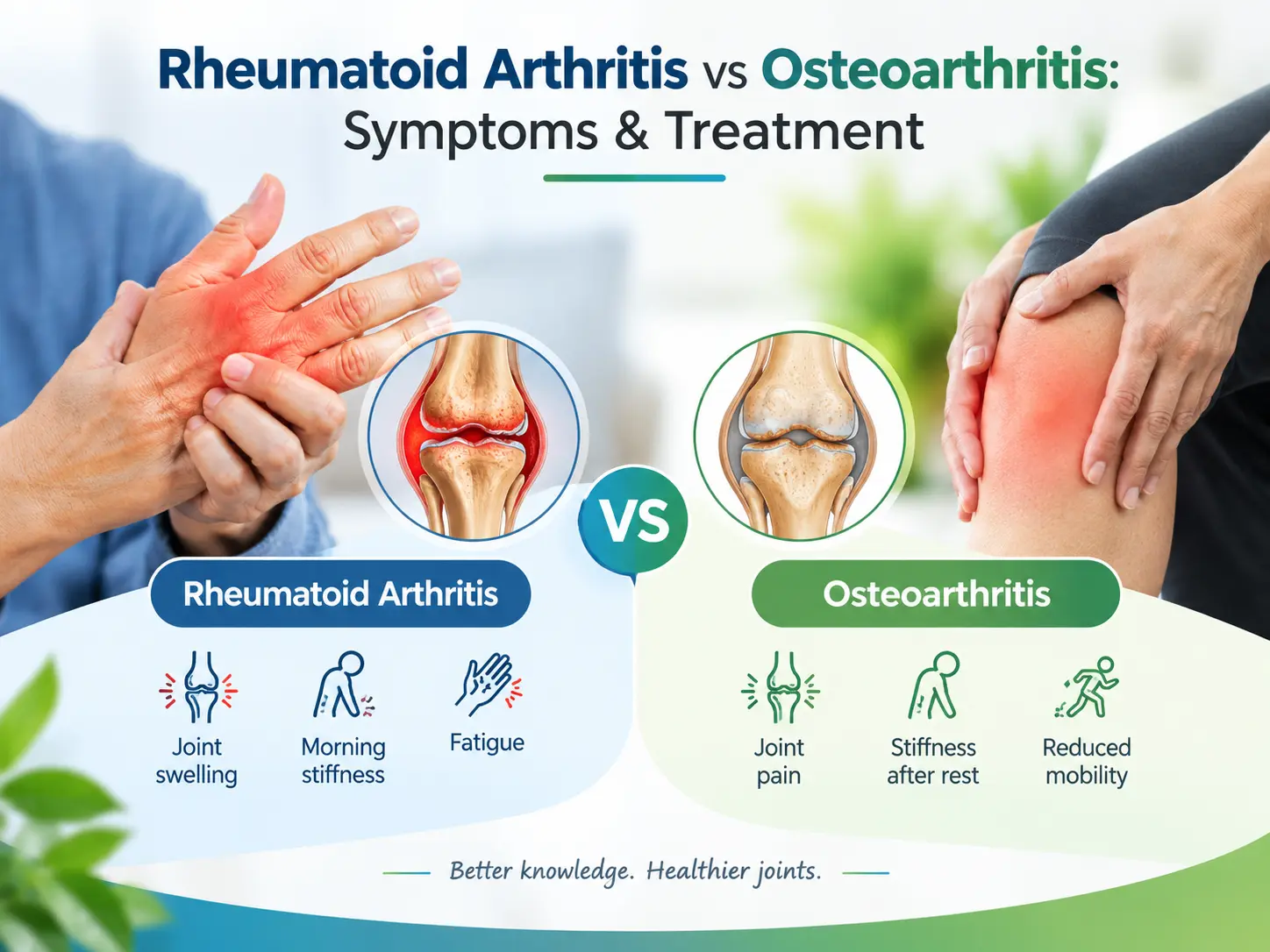
Osteoarthritis,
inflammatory arthritis, an old injury and muscle or tendon problems can all cause discomfort around a joint. Persistent pain should not be dismissed as “just the weather”. Knowing what is contributing to it helps you choose the right care.
How Physiotherapy Can Help You Keep Moving
An assessment considers where you hurt, how long symptoms last, previous injuries, swelling and the activities you find difficult. Your physiotherapist may assess movement, strength, balance and walking, and check whether medical investigation is needed.
Treatment usually centres on an individual exercise plan, education and realistic activity goals. For osteoarthritis, tailored strengthening and aerobic exercise are core treatments. Some discomfort when starting exercise can occur, but a plan should be adjusted to your response rather than pushed through regardless of symptoms.
Your goals might include managing stairs, walking comfortably on errands, getting up from a chair or returning to recreational activities. Hands-on treatment or other techniques may sometimes help you participate, but they should support active rehabilitation rather than replace it.
Six Gentle Exercises for Winter Stiffness
These are general starting options, not a prescription for every condition. Choose movements that suit the affected area. If you have a new injury, a hot or swollen joint, recent surgery, significant balance problems or exercise restrictions, get individual advice first.
Warm up with a few minutes of easy indoor walking or comfortable seated movement. Start with a small range and one set. Gentle stiffness or mild, tolerable discomfort may be acceptable, but stop for sharp or increasing pain,
dizziness, new swelling, numbness or a feeling that a joint will give way. If symptoms are clearly worse later that day or the next morning, reduce the range or repetitions and seek advice if the reaction continues.
1. Seated Ankle Pumps
Sit with your feet supported. Lift your toes while keeping your heels down, then lift your heels while keeping your toes down. Move slowly through a comfortable range. Try 10 repetitions. This is a simple movement break after sitting; it is not a treatment for unexplained leg swelling.
2. Seated Knee Straightening
Sit in a firm chair. Slowly straighten one knee as far as comfortable without forcing it, then lower your foot. Try 5 to 8 repetitions on each side. Keep your back supported.
3. Sit to Stand
Use a sturdy chair placed against a wall. Bring your feet underneath you, lean forward slightly and stand up, using the armrests if needed. Sit back down slowly. Start with 5 repetitions. Choose a higher chair or get guidance if this causes knee or hip pain or feels unsafe.
4. Supported Heel Raises
Stand at a stable counter and hold it with both hands. Slowly lift your heels, then lower them with control. Try 5 to 8 repetitions. Keep your weight evenly distributed and do not let go of the support. Skip this exercise if standing balance is unreliable.
5. Gentle Hand Opening and Closing
Slowly open your hands and spread your fingers, then make a loose fist without squeezing tightly. Repeat 5 to 10 times within a comfortable range. Do not force swollen or painful finger joints into a full fist.
6. Comfortable Shoulder Table Slides
Sit facing a table with your hands resting on a towel. Gently slide your hands forward as you lean from your hips, then return. Stop before a pinch or sharp pain. Try 5 to 8 repetitions, keeping your shoulders relaxed.
Comfortable mobility movements can be tried daily. Begin strengthening movements such as sit to stands and heel raises on two non-consecutive days a week, allowing recovery between sessions. Your physiotherapist can adjust the frequency, resistance and progression to your needs. Choose only the exercises that suit you.
Preventive Measures for a More Comfortable Winter
Small, repeatable habits can help reduce avoidable stiffness and maintain confidence, even though they cannot prevent every flare or injury.
- Break up sitting. Try standing or moving gently every 30 to 60 minutes, according to your comfort and ability.
- Keep an indoor option. A short walk in a safe indoor space, a stationary bike or an appropriate pool programme can keep weather from deciding whether you move.
- Warm up before heavier tasks. Build up gradually before carrying groceries, gardening or clearing snow. Split demanding jobs into smaller sessions rather than doing everything at once.
- Dress for comfort. Layers, gloves and dry footwear can make outdoor activity more manageable. Choose supportive shoes with suitable grip and avoid icy routes.
- Use warmth carefully. A warm shower or a comfortably warm pack may ease stiffness temporarily. Use a cloth barrier and check your skin. Avoid heat over a newly hot, swollen joint or where sensation or circulation is reduced unless a clinician advises it.
- Pace activity. Alternate harder and easier tasks, and increase exercise gradually instead of switching between complete rest and a very busy day.
Laser Therapy and Joint Pain
Laser therapy uses light applied to the body. Results depend on the condition and treatment approach, and evidence does not support presenting it as a reliable solution for winter joint pain.
For osteoarthritis specifically, the NICE guideline advises against laser therapy because evidence of benefit is insufficient. It should not be promoted as regrowing cartilage, reversing arthritis or replacing exercise. If you are considering laser for another diagnosed problem, ask about the expected benefit, uncertainty, cost and how progress will be measured.
Townline Physiotherapy provides information about its BioFlex laser therapy service. Suitability should be discussed after assessment, with realistic expectations and an active rehabilitation plan.
Dry Needling and Muscle-Related Discomfort
Dry needling uses fine needles to target muscle tissue. In selected musculoskeletal conditions, it may offer short-term pain relief, but results vary. Muscle pain around a joint is different from damage inside the joint, and needling does not repair cartilage or cure arthritis.
NICE advises against dry needling for
osteoarthritis. It may be discussed for a separate, coexisting muscle problem when appropriate, rather than offered as a routine treatment for arthritic joints.
Possible effects include soreness, bruising or bleeding. Rare serious complications, including a punctured lung when needling near the chest, require informed discussion. Tell your clinician about blood thinners, bleeding disorders and other relevant health concerns. You can decline needling and discuss alternatives.
Taping for Selected Short-Term Support
Taping may provide a feeling of support or temporary symptom relief for some people during a specific activity. It does not permanently realign a joint, rebuild cartilage or remove the need to strengthen surrounding muscles.
Routine taping is not recommended for everyone with osteoarthritis. A clinician may consider support where instability or abnormal loading is present, exercise alone is unsuitable or insufficient, and the support is likely to improve movement and function. Tape should be trialled for a clear purpose and continued only if useful.
Remove tape if it causes itching, a rash, numbness, colour changes or increased pain. Fragile skin and adhesive sensitivity are reasons to discuss other options.
When Joint Symptoms Need Medical Attention
Seek urgent medical care for a suddenly hot, red, swollen joint, especially with fever or feeling unwell. Get prompt assessment after an injury if you cannot bear weight, have a visible deformity or severe pain. New significant weakness or numbness also needs medical assessment.
Arrange a medical review for persistent unexplained swelling, worsening symptoms or prolonged morning stiffness, particularly when several joints are affected. These signs should not be attributed to cold weather without assessment.
Frequently Asked Questions
Does Cold Weather Cause Arthritis?
Cold weather is not an established cause of arthritis. Some people notice seasonal symptom changes, but persistent or new joint pain needs an assessment rather than a weather-based assumption.
Should I Rest Completely When My Joints Hurt?
Usually, a balance of activity and recovery is more helpful than prolonged inactivity. Temporarily reduce an aggravating task, keep comfortable movement and get guidance for a flare or new injury.
How Quickly Will Physiotherapy Help?
There is no fixed timeline. It depends on the cause, symptom duration, general health and your response to the plan. Progress is best tracked through meaningful changes in function as well as pain.
Can I Exercise With Osteoarthritis?
Yes. Tailored strengthening and aerobic exercise are recommended core treatments. Start at a manageable level and adjust with professional guidance if pain or swelling increases.
Is Laser Therapy Necessary for Joint Pain?
No. It is not a core treatment for osteoarthritis, and benefits are uncertain. Assessment, education and an appropriate exercise plan should guide care rather than a particular machine.
Is Dry Needling Suitable for Everyone?
No. Suitability depends on the condition, health history, risks and personal preference. It is not recommended as a treatment for osteoarthritis, and alternatives are available.
Can Taping Replace My Exercises?
No. When helpful, tape is usually a short-term aid for a specific task. It does not develop strength or provide the long-term benefits of an appropriate activity programme.
Find Support for Joint Pain in Abbotsford
You do not need to wait until spring to address persistent stiffness. If you are looking for physiotherapy in Abbotsford,
contact Townline Physiotherapy to discuss an assessment and a movement plan suited to your goals.
Visit 3720 Townline Rd, Unit 130, Abbotsford, BC V2T 0G6, call 604-755-5517, or book online.
This article provides general education and is not a diagnosis or an individual treatment plan.
Clinically reviewed by: Jimmy Tayal, Physiotherapist
Townline Physiotherapy & Wellness, Abbotsford, BC