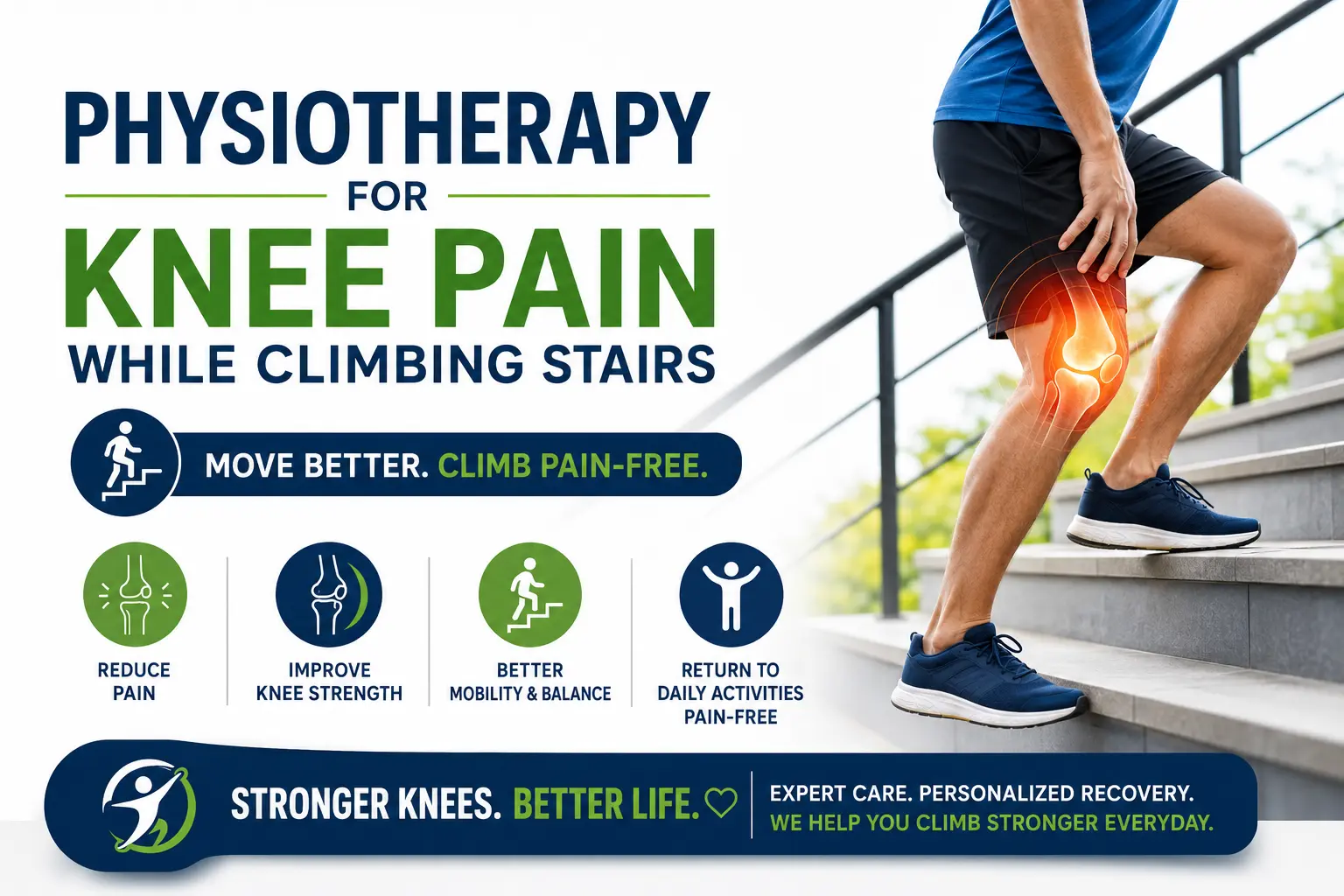
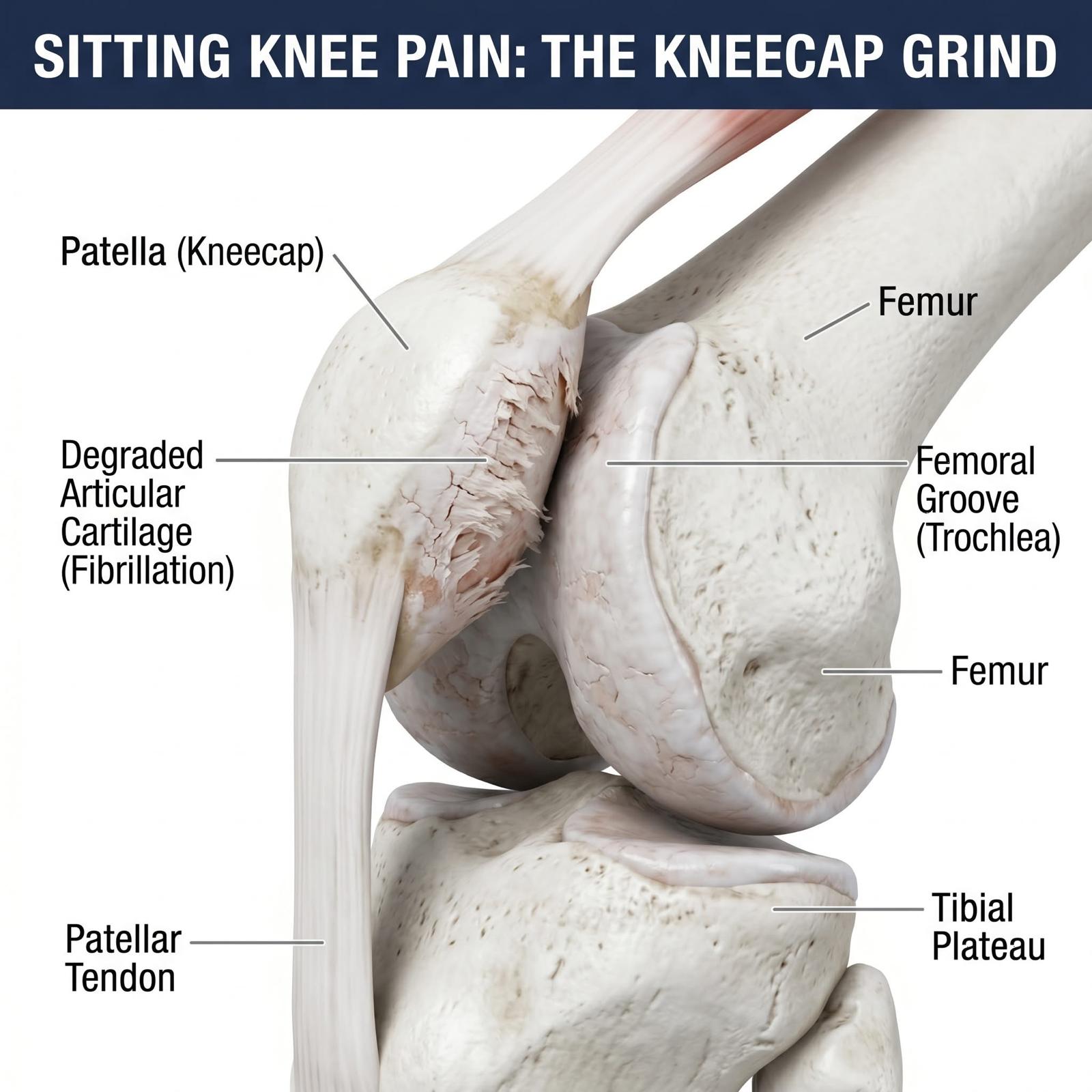
Knee pain during squats, stair climbing, lunges, or getting up from a chair is a very common problem affecting athletes, gym-goers, workers, and active adults. Pain around the kneecap, inside the knee, or swelling after activity may indicate irritation of the joint, muscles, tendons, or even a meniscal injury.
At Townline Physiotherapy in Abbotsford, our physiotherapy team provides personalized rehabilitation programs for knee pain using exercise therapy, manual therapy, dry needling, Bioflex laser therapy, shockwave therapy, and taping techniques.
Common Causes of Knee Pain During Squats and Stair Climbing
You may benefit from physiotherapy if you experience:
Knee clicking or locking
Swelling
Pain during squats
Difficulty with stairs
Sharp pain twisting the knee
Stiffness
Instability
Reduced range of motion
Early treatment may help improve recovery and reduce long-term knee irritation.
PRICE Protocol for Meniscal Injury
After a recent meniscal or knee injury, the PRICE protocol is commonly recommended during the early phase of recovery.
Protection
Avoid movements that aggravate pain or increase swelling.
Rest
Reduce high-impact activities temporarily to allow tissues to calm down.
Ice
Applying ice may help reduce pain and swelling during the acute stage.
Compression
Compression sleeves or wraps may help manage swelling.
Elevation
Keeping the leg elevated may assist with swelling control.
The PRICE approach is usually followed by gradual physiotherapy rehabilitation and strengthening exercises.
Physiotherapy Assessment for Knee Pain
At Townline Physiotherapy, your physiotherapist may assess:
Squat mechanics
Walking pattern
Knee mobility
Muscle strength
Balance
Swelling
Hip and ankle function
Functional movements
A personalized treatment plan is then developed based on your symptoms and activity goals.
Dry Needling Benefits for Knee Pain
Dry needling uses fine needles to target tight muscle trigger points and muscle tension.
Benefits may include:
Reduced muscle tightness
Improved mobility
Pain reduction
Better muscle activation
Improved movement patterns
Dry needling is commonly used for:
Quadriceps tightness
IT band tension
Hamstring tightness
Calf tightness
Knee-related muscular compensation
Bioflex Laser Therapy for Knee Pain
Bioflex laser therapy uses light energy to stimulate tissue healing and reduce inflammation.
It may help:
Reduce swelling
Improve tissue healing
Decrease pain
Improve circulation
Support recovery after injury
Bioflex laser therapy is often combined with strengthening exercises and manual therapy.
Shockwave Therapy Benefits
Shockwave therapy uses acoustic waves to stimulate healing in injured tissues.
Shockwave therapy may help with:
Patellar tendon pain
Chronic tendon irritation
Tight soft tissues
Long-standing knee pain
Scar tissue restrictions
Benefits may include:
Improved blood flow
Tissue stimulation
Reduced chronic pain
Improved mobility
Shockwave therapy is commonly used when symptoms persist for weeks or months.
Kinesiology Taping for Knee Support
Taping techniques may help support the knee while allowing movement.
Taping may assist with:
Swelling management
Improved movement awareness
Patellar tracking support
Reduced strain during activity
Athletes and active individuals often use taping during exercise and return to sport.
Strengthening Exercises for Knee Pain
Exercise rehabilitation is one of the most important components of physiotherapy treatment.
Common strengthening exercises may include:
Glute strengthening
Mini squats
Step-ups
Clamshell exercises
Wall sits
Straight leg raises
Calf strengthening
Improving hip and leg strength may help reduce stress on the knee joint.
Stretching Exercises for Knee Pain
Tight muscles around the hips and legs can increase knee stress.
Common stretches may include:
Quadriceps stretch
Hamstring stretch
Calf stretch
Hip flexor stretch
IT band mobility work
Stretching may help improve mobility and movement quality.
Can Physiotherapy Help Knee Pain While Squatting?
Yes. Physiotherapy may help identify the underlying causes of knee pain and improve:
Strength
Mobility
Movement mechanics
Stability
Functional tolerance
Treatment is customized depending on the source of symptoms.
Reviews for Physio
Patients visiting Townline Physiotherapy often appreciate the personalized care and rehabilitation approach provided.
Common feedback includes:
Clear explanations of injuries
Detailed exercise guidance
Supportive treatment approach
Focus on long-term recovery
Helpful rehabilitation for sports and workplace injuries
When Should You See a Physiotherapist for Knee Pain?
You should consider physiotherapy if:
Pain persists more than a few days
Squats or stairs worsen symptoms
The knee feels unstable
Swelling continues
Exercise becomes difficult
Pain limits work or sports activities
Early assessment may help prevent worsening symptoms.
Knee Pain Physiotherapy in Abbotsford
At Townline Physiotherapy in Abbotsford, our physiotherapy team provides rehabilitation programs for knee pain, meniscal injuries, sports injuries, and chronic movement-related pain.
Knee pain during squats may be related to muscle weakness, joint irritation, poor mechanics, tendon issues, or meniscal injuries.
Can physiotherapy help meniscal injuries?
Yes, physiotherapy may help improve mobility, strength, swelling control, and functional movement after meniscal injuries.
Is dry needling painful?
Most patients tolerate dry needling well, although mild soreness can occur afterward.
Does shockwave therapy help chronic knee pain?
Shockwave therapy may help stimulate healing and reduce pain in chronic tendon-related conditions.
How long does knee rehabilitation take?
Recovery timelines vary depending on injury severity, activity level, and consistency with rehabilitation exercises.
Can taping help knee pain?
Taping may provide temporary support and help improve comfort during movement and exercise.
Book Knee Pain Physiotherapy in Abbotsford
If you are experiencing knee pain while squatting, climbing stairs, exercising, or working, the team at Townline Physiotherapy in Abbotsford is here to help support your recovery and movement goals.