


Get Free Consultation
8:30AM - 7:00PM
Get Free Consultation
8:30AM - 7:00PM
Mental and physical health often influence one another.
Pain, injury, changes in physical abilities, pregnancy, stressful life events and prolonged recovery can affect mood, relationships, sleep, confidence and overall quality of life. Similarly, emotional stress can influence how people cope with physical symptoms and everyday demands.

Your counsellor will take time to understand your concerns, experiences and goals and work collaboratively with you on an approach appropriate to your individual needs.
Counselling isn’t about telling you what to do. It provides a professional and supportive space to explore challenges, identify patterns, develop coping skills and work toward changes that are meaningful to you.
When it comes to getting help with your health & fitness, Townline Physiotherapy is a great choice. We have a team of caring professionals who are here to listen and support you. They use proven methods to help you feel better and cope with life’s challenges. We’re always learning new ways to help our patients, so you can trust that you’re getting the best care possible. At Townline Physiotherapy, we’re here to help you feel happier and live your appropriate life.
Recovery from a concussion can involve more than physical symptoms.
Some people experience changes in mood, frustration, anxiety, irritability, sleep, concentration or confidence while recovering. Being unable to work, exercise, drive, study or participate in normal activities can also create significant emotional stress.
Concussion counselling can provide psychological and emotional support while you navigate recovery.


Pregnancy can bring excitement and meaningful changes, but it can also be accompanied by stress, uncertainty and difficult emotions.
Changes in relationships, body image, sleep, responsibilities, work, family dynamics and expectations about becoming a parent can sometimes feel overwhelming.
Pregnancy counselling provides a private environment to discuss these experiences without judgment.
Depression can affect people differently.
You may experience persistent sadness, loss of interest in activities, low motivation, difficulty concentrating, changes in sleep, feelings of hopelessness or difficulty managing normal responsibilities.
Counselling can provide a structured and supportive environment for understanding these experiences and developing strategies for managing them.
Depending on your needs and the counsellor’s approach, therapy may focus on understanding patterns in thoughts and behaviours, developing coping strategies, increasing meaningful activity, improving emotional awareness and working toward realistic goals.
You don’t need to wait until life feels unmanageable before seeking support.
If you are experiencing an immediate mental-health crisis or are concerned about your safety, counselling appointments should not be used as an emergency service. Seek immediate emergency/crisis assistance.


Adolescence can involve significant emotional, social, academic and family changes.
Some teenagers may find it difficult to talk openly with parents, teachers or friends about what they’re experiencing. Counselling can provide an additional confidential and supportive environment to help teens explore concerns and develop healthy coping strategies.
Parenting can be rewarding while also being emotionally demanding.
Parents may experience stress related to behaviour, communication, family relationships, changing roles, work-life balance or supporting a child through emotional or developmental challenges.
Parent counselling can provide a space to explore these concerns and develop practical strategies appropriate to your family’s circumstances.


Traumatic experiences can affect thoughts, emotions, relationships, sleep and the way a person responds to everyday situations.
Some people experience ongoing symptoms following a traumatic event, while others may notice difficulties emerging later.
Trauma-related symptoms can include intrusive memories, avoidance, heightened alertness, sleep difficulties, emotional distress, difficulty concentrating or changes in mood.
A qualified mental-health professional can assess your individual circumstances and determine an appropriate therapeutic approach.
Trauma and PTSD counselling may focus on developing coping strategies, emotional regulation, understanding trauma responses and processing experiences using approaches appropriate to the counsellor’s training and your individual needs.
PTSD is a clinical diagnosis. The page should not imply that every person who has experienced trauma has PTSD, or that counselling guarantees recovery.
01
Better emotional awareness:Recognize emotions, triggers and patterns and understand how they influence your daily life.
02
Healthier coping strategies:Develop practical ways of responding to stress and difficult emotions.
03
Improved communication:Explore communication patterns and strategies for navigating relationships.
04
Managing life transitions: Receive support during pregnancy, parenthood, injury recovery, school changes, career changes or other significant transitions.
05
Building resilience:Develop skills and perspectives that can support you when dealing with future challenges.


Your first appointment gives you and your counsellor an opportunity to discuss what brought you to counselling and what you’d like to work on.
Your counsellor may ask about your current concerns, relevant history, relationships, stressors, coping strategies and goals.
You can also ask questions about the counselling process, confidentiality, treatment approach and what future sessions might involve.
Counselling is collaborative. Your goals and preferences should be part of decisions about your care.
One advantage of receiving counselling within a multidisciplinary wellness clinic is recognizing that recovery doesn’t always fit neatly into either “physical” or “mental” health.
For example, someone recovering from a concussion may be receiving rehabilitation for physical symptoms while also struggling with anxiety about returning to work.
Someone going through pregnancy may benefit from pelvic floor physiotherapy while simultaneously experiencing emotional stress associated with pregnancy or becoming a parent.
Where appropriate, and only with the necessary consent and within each provider’s professional scope, care may be coordinated with other healthcare professionals.


At Townline Physiotherapy & Wellness, our goal is to provide accessible, respectful and individualized healthcare in Abbotsford.
Clinical counselling complements our broader approach to health and rehabilitation by recognizing the important relationship between emotional well-being, physical health and everyday function.
01
Clinical counselling provides a confidential professional setting where individuals can discuss emotional, behavioural, relationship or life challenges. A counsellor works collaboratively with the client to understand concerns, establish goals and use therapeutic strategies appropriate to the person’s needs.
02
You can discuss whatever concerns are important to you. This may include:
You don’t need to know exactly what you want to discuss before your first appointment.
03
Counselling is generally confidential, subject to legal and professional limits. Your counsellor should explain confidentiality and its limitations at the beginning of care, including circumstances involving safety or other situations where disclosure may be required.
04
Counselling may help address emotional and psychological challenges that can occur during concussion recovery, such as anxiety, frustration, changes in mood or difficulty adjusting to limitations. Counselling does not replace appropriate medical assessment or physical concussion rehabilitation.
05
Yes, counselling can provide emotional support during pregnancy and the transition into parenthood. Depending on your circumstances, it may help with anxiety, stress, adjustment, relationships, emotional well-being and other pregnancy or postpartum concerns.
06
If your Townline counsellor is qualified to work with adolescents, teen counselling can provide support for concerns such as anxiety, mood, school stress, self-esteem, relationships and family challenges. Age requirements, consent and confidentiality should be discussed when booking.
07
Yes, depending on the service offered by your counsellor. Parent-focused counselling can help adults explore parenting stress, communication, boundaries, family dynamics and strategies for supporting their children.
08
If this falls within your counsellor’s professional training and scope, counselling may support people experiencing trauma-related concerns or PTSD. Treatment should be individualized following an appropriate assessment.
09
There is no standard number of sessions. The appropriate frequency and duration depend on your concerns, goals, circumstances, therapeutic approach and progress. Your counsellor can discuss recommendations with you after learning more about your needs.
10
A physician’s referral may not be necessary to book counselling, but requirements for insurance reimbursement can vary. Check your extended-health plan to determine whether your counsellor’s specific professional designation is covered.
11
Coverage depends on your insurance policy and the professional designation of the counsellor providing treatment. Check your benefits or contact your insurance provider before your appointment if reimbursement is important to you.
12
Contact Townline Physiotherapy & Wellness or use the clinic’s online booking system to view available counselling appointments.
Townline Physiotherapy & Wellness
3720 Townline Rd, Unit 130
Abbotsford, BC V2T 0G6
604-755-5517

Joint pain, stiffness and reduced mobility can occur with both rheumatoid arthritis and osteoarthritis, but...

Shoulder pain can make surprisingly simple things difficult. Reaching into a cupboard, putting on a...
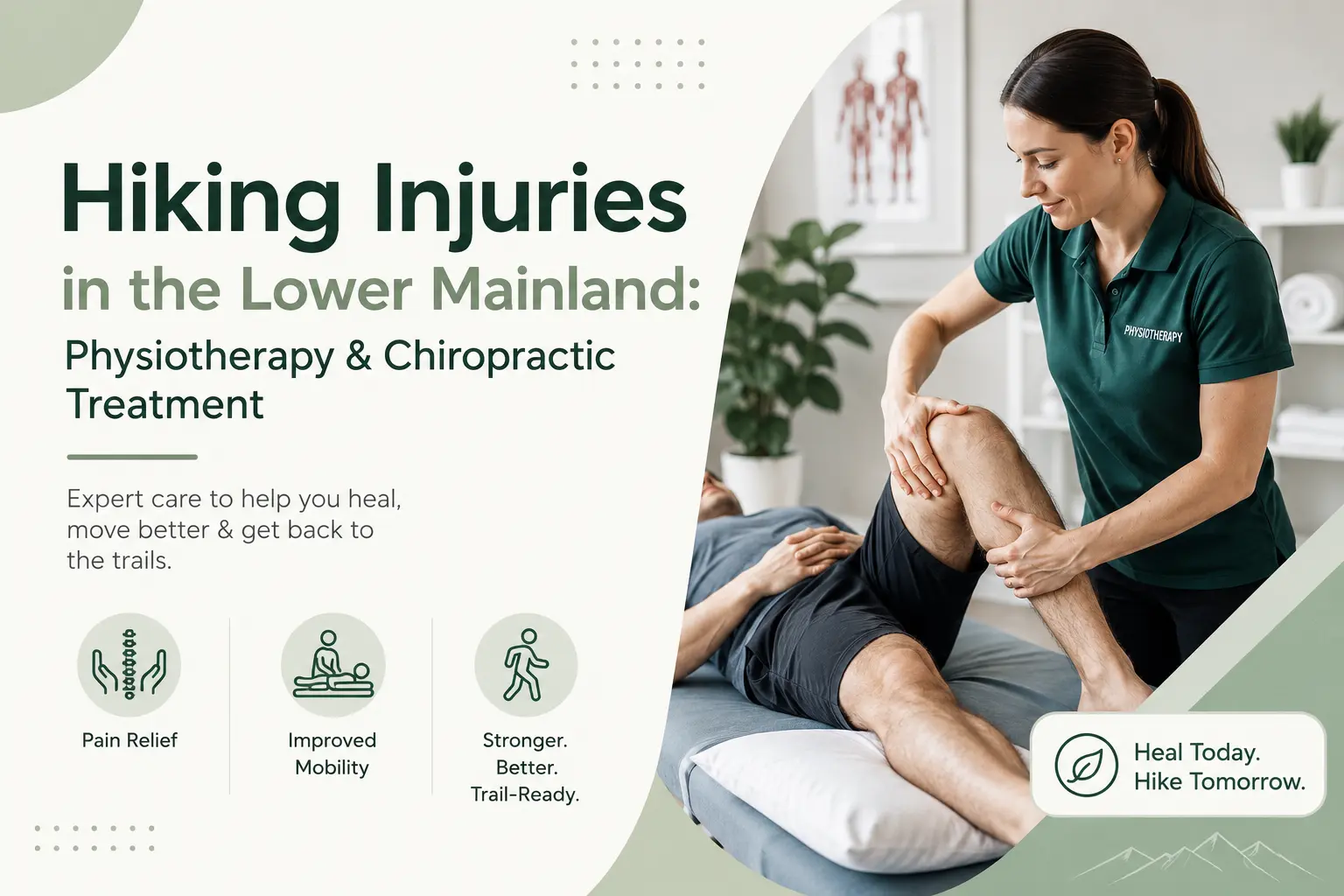
The Lower Mainland offers some of British Columbia’s best hiking opportunities. From local trails around...
© 2022 - 2026 Townline Physiotherapy
Website Design and Marketed by